
Corporate Event Website Design and Development
Corporate event website design and development solutions help businesses showcase events, manage registrations, highlight speakers and schedules, and provide attendees with a clear, professional online experience tailored to their brand.
Standard
What's Included
Available Add-ons
Custom Corporate Event Websites Built for Registration and Attendee Management
A dedicated website gives attendees one reliable place to find the details of a corporate event. It can present the date, location, agenda, speakers, sponsors and registration options through a clear digital experience.
The Custom Websites provides corporate event website design and development services for businesses, Conference Organizers, Event Planners and Event Management Companies. We create custom websites for Conferences, Seminars, Trade Shows, Networking Events, Product Launches, Corporate Retreats and other professional gatherings.
Our work covers visual design and technical development. This includes event landing pages, registration systems, attendee databases, schedules, payment integrations and content management tools developed around the requirements of each event.
Custom Website Design for Corporate Events
A corporate event website should reflect both the organization behind the event and the identity of the event itself. Its design may follow an established corporate brand or use a separate visual direction created for a specific conference, product launch or awards program.
Our corporate event website design service starts with the event type, target attendees and required content. We use these details to plan the website layout and determine how registration, schedules and important announcements should appear.
UI/UX Design controls how visitors interact with the website. It defines the placement of navigation menus, registration buttons, speaker details and Event Agenda sections. A clear interface helps attendees locate essential information without moving through unnecessary pages.
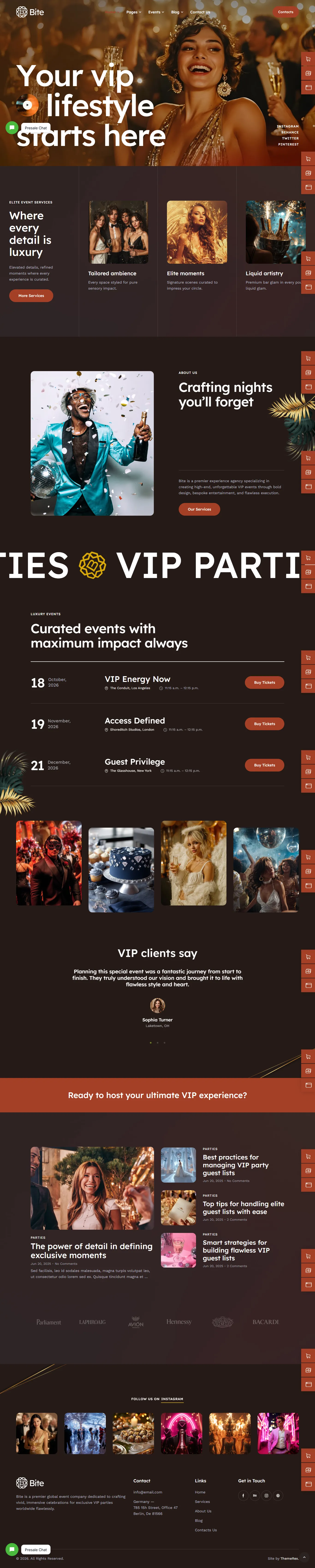
Typography, colors, imagery and graphic elements can follow approved corporate brand guidelines. Sponsors and event partners can also receive suitable visual placement without distracting from the main event information.
Custom page layouts may be created for:
Event overviews and key details
Registration and Ticketing
Speakers and session information
Sponsors and exhibitors
Venue and travel details
Multi-day schedules
Event announcements
Frequently asked questions
Corporate event landing page design can support a single meeting or campaign. Larger events may need a complete website with separate sections for attendees, exhibitors, speakers and sponsors.
The design scope is based on the event rather than a fixed template. This gives organizers control over the visual presentation and the attendee journey.
Corporate Event Website Layout and User Experience
A strong corporate event website layout puts time-sensitive information where attendees expect to find it. Registration, schedules and venue details should remain accessible from the main navigation and relevant content sections.
We plan Website Navigation around the questions visitors are likely to have before and during the event. The structure can also change as the event moves from early promotion to active registration and final attendee communication.
Event Information and Overview
The event overview should quickly explain what the event is, who it is for and when it will take place. It can include the event name, description, date, location and primary registration action.
Event highlights may introduce keynote sessions, workshops, featured guests or networking opportunities. The layout should make these details easy to scan while providing links to complete information.
A conference website may require detailed pages for different attendee groups. A corporate meeting website design may use a smaller structure with a private access area and internal agenda.
The overview can also display registration deadlines, event status or important updates. These details can be managed through the Content Management System when regular changes are expected.
Event Agenda and Schedule
An Event Agenda helps attendees understand how the program is organized. It may include sessions, workshops, breaks, networking periods and speaker presentations.
For a multi-day event, the schedule can be divided by date. Filters may allow visitors to view sessions by track, topic, venue or attendee type. Each agenda item can connect to a speaker profile and full session description.
The design should make times and locations clear without overcrowding the page. On mobile screens, schedule cards or expandable sections can replace wide tables that are difficult to read.
Organizers can also receive CMS controls for updating session times, room assignments and speaker information as the program changes.
Speaker and Guest Profiles
Speaker Profiles give attendees context about the people leading keynotes, panels and workshops. Each profile can include a photograph, biography, professional role and organization.
Profiles may also display the speaker’s session title, time and room. Connecting speaker pages with the Event Schedule allows visitors to move easily between the person and their presentation.
Guest profiles for Award Ceremonies or Company Events may use a different layout from conference speakers. We adapt the content fields and presentation to the event format.
Sponsor and Exhibitor Sections
Sponsor Profiles recognize supporting organizations and provide relevant company information. Sponsors can be grouped by level so the website reflects the agreed sponsorship structure.
Each profile may include a logo, description, website link and sponsored activity. Partner logos can also appear in selected website sections according to the event’s display requirements.
Exhibitor Listings can help Trade Show attendees identify participating companies before arrival. A listing may contain a company description, category, booth number and contact details.
Search and filtering can be added when the event has many exhibitors. Interactive Maps may also connect booth details with the venue floor plan when the required mapping data is available.
Corporate Event Website Development Services
Website design defines the interface and content presentation. Website development creates the technical system that supports registration, schedules, attendee records and other event operations.
The Custom Websites provides both corporate event website design and development services. Our development work covers the visible front end as well as the back-end processes that manage website data and functionality.
Front-End Development converts approved designs into working pages. It includes menus, agenda layouts, forms, speaker profiles and interactive components that function across current screen sizes.
Back-End Development manages processes that operate behind the website. This may include attendee records, ticket status, payment data, schedule content and connections with external platforms.
A Content Management System allows authorized staff to update event information without editing code. Corporate event CMS development can provide structured editing areas for speakers, sponsors, sessions, exhibitors and venue details.
Database Integration may be required when a website stores or retrieves registration information. We define the required data fields and relationships based on the approved registration process.
Custom corporate event website development may include:
Attendee registration workflows
Corporate event booking systems
Ticket types and capacity controls
Payment gateway connections
Session and speaker databases
Sponsor and exhibitor directories
Restricted attendee content
Confirmation and notification emails
CRM Integration
Custom event management functionality
Scalable Website Architecture allows the platform to support additional sessions, attendees or future event editions. A conference organizer may also need one system that manages several related events.
Our corporate event website development service is planned around these operating requirements. It does not rely on visual design alone.
Essential Features for a Corporate Event Website
Corporate event website functionality should support a specific attendee or administrative task. We select features according to the event format, registration process and tools already used by the organizing team.
Online Event Registration
Online Registration allows attendees to submit their information directly through the website. Registration fields can be configured for the event instead of using one general Contact Form.
A form may request a name, company, job title, email address, ticket type and session preference. Additional fields can collect dietary requirements, accessibility needs or consent information where appropriate.
Conditional fields can change according to the attendee’s selections. For example, exhibitors may receive different questions from general conference guests.
The corporate event registration system can send confirmation messages after a successful submission. It may also notify the event team and transfer approved data to a CRM or registration platform.
Automated emails can provide registration details and next steps. The exact messages and timing are configured around the event workflow.
Event Booking and Ticketing
Corporate event booking website development can support free reservations, paid tickets or invitation-based attendance. Organizers may offer standard, premium, exhibitor or group ticket types.
The booking form can show availability and collect the details required for each ticket. Capacity controls can prevent additional bookings after a ticket category reaches its defined limit.
Online Payments can be connected when attendees need to pay during registration. The checkout process can display the ticket selection, cost and payment status before sending a booking confirmation.
A booking record can store the attendee’s registration status. Organizers may also need controls for pending payments, cancellations or approved changes.
Attendee Management
Attendee Management provides an organized record of registrations. The exact administrative options depend on whether the website manages data directly or transfers it to an external system.
Authorized staff may need to review contact details, selected sessions, ticket status and payment information. Filters can help teams sort records by ticket type, company or registration status.
Confirmation notifications can provide access instructions, ticket details or links to further attendee information. Private event pages may require login credentials or a unique access link.
The system should collect only the information required for the approved event process. Access to administrative records can be limited by account permissions.
Event Calendar and Agenda
An Event Calendar shows important dates while an agenda explains what happens throughout the event. These tools can support single-day meetings or complex multi-day Conferences.
Session records may contain the title, time, room, speaker and event track. Workshops and other activities can use separate labels so attendees can distinguish between program types.
For events with several tracks, filtering can help visitors create a relevant view of the schedule. Calendar links may allow them to add selected sessions or the main event to a compatible personal calendar.
CMS controls let organizers update times and locations when the schedule changes. The website can display these updates without requiring page code to be edited.
Venue and Location Information
Venue Information should help attendees prepare for arrival. A venue page can include the address, entry instructions, parking details and accessibility information.
Google Maps or another approved map service can provide directions. An Interactive Map may also show separate buildings, exhibition halls or event rooms.
Larger corporate events may need information about hotels, shuttle services or registration desks. These details can be organized into clear sections so visitors can find what applies to them.
Corporate Event Websites for Different Business Events
Different Corporate Events require different website structures and technical features. We adapt the design and development scope to the event rather than using the same setup for every project.
Corporate conference website design often requires detailed agendas, Speaker Profiles, sponsor sections and several registration types. Corporate conference website development may also include session databases, attendee accounts and multi-day scheduling tools.
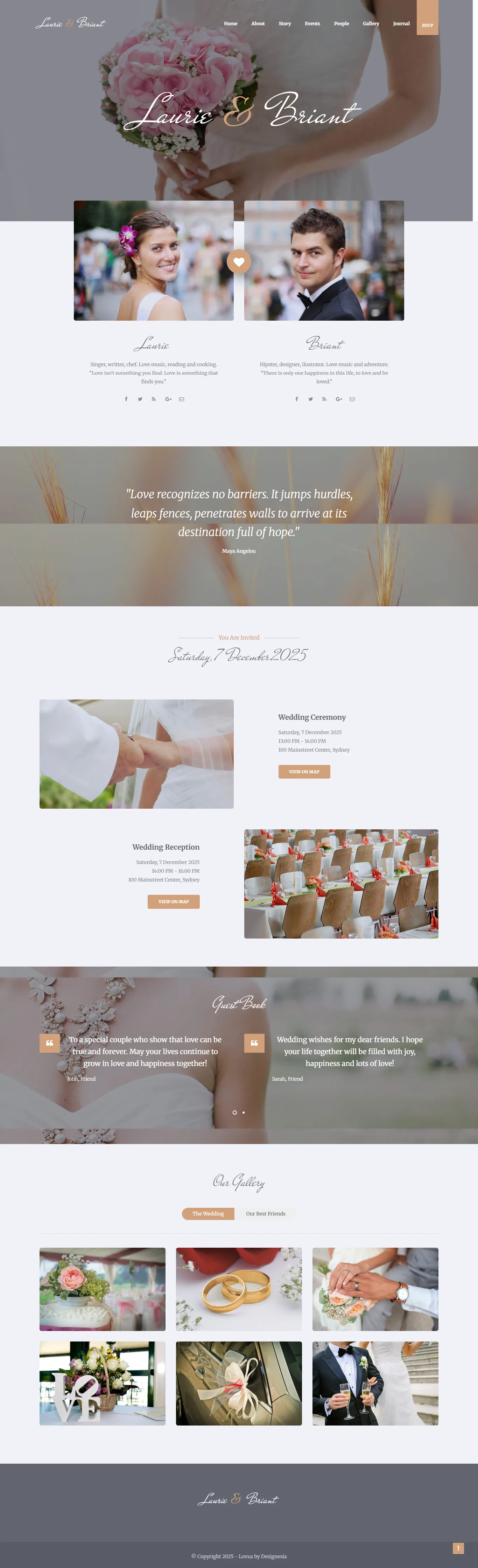
Corporate Meetings and Company Meetings may use a smaller website with restricted access. Their requirements can include private agendas, internal documents and RSVP forms for invited employees or partners.
Seminars usually need a clear topic overview, presenter information and a focused registration flow. If several seminars form a series, the site may require an Event Calendar and individual registration pages.
Trade Shows need more detailed exhibitor information. The website can include Exhibitor Listings, sponsor levels, booth details and venue maps. Attendees may need search filters while exhibitors may require a separate application or booking process.
Networking Events may collect industry, role and company information during registration. The website layout can prioritize attendance details, session formats and Event Booking.
Product Launches often rely on a focused visual identity and controlled messaging. They may use a custom landing page, RSVP system, video content and private access for invited guests or media representatives.
Corporate Retreats may require attendee information, itineraries and travel details. Award Ceremonies can include nominee profiles, sponsor content, ticket options and Event Galleries.
These differences affect the Website Architecture, registration fields and administrative functions. Corporate event planning website development should account for them before interface design or coding begins.
Corporate Event Website Integrations
Integrations allow the event website to exchange information with systems used by the organizing team.
Payment gateways can process ticket fees and approved booking charges. The website can record the payment result and send confirmation information based on the transaction status.
External registration systems can manage attendee data when an organization already uses a preferred platform. Corporate event website integration can connect registration buttons, embedded forms or application programming interfaces where supported.
CRM platforms help Event Agencies and Event Management Companies organize attendee or sponsor communication. Form submissions can be sent to the CRM with labels for event name, ticket type or registration status.
Email marketing tools can support approved event updates and attendee communications. They may be used for registration confirmations, schedule reminders or post-event messages depending on the consent and communication settings.
Calendar systems can let users add the main event or individual sessions to their schedules. Organizers may also connect appointment tools for meetings held during a conference or Trade Show.
Google Maps can display the venue and provide directions. Social Media Integration can connect event pages with approved corporate profiles or offer sharing options.
Ticketing systems may handle ticket generation, status and access details. If the ticketing platform remains external, we can create a consistent route between the event website and the ticket process.
Analytics tools can record how visitors move through public pages and registration steps. Their configuration should reflect the organization’s privacy requirements and measurement goals.
Mobile-Friendly Corporate Event Website Development
Attendees may register from a phone or use the website at the venue. Responsive Web Design ensures that content and functionality adjust to mobile, tablet and desktop screens.
Mobile registration forms should use suitable field sizes and input types. Date selectors, email fields and ticket choices must remain practical on a smaller screen.
Event schedules require particular attention. Wide agenda tables can become difficult to use on mobile devices. We can display sessions as cards, accordions or filtered lists so times, rooms and speakers remain readable.
Speaker information and Venue Information should load within layouts that do not require horizontal scrolling. Touch-friendly navigation also gives links and buttons enough spacing for comfortable selection.
Mobile ticketing may provide access to a digital ticket or booking reference. The exact display depends on the ticket platform and access requirements.
We test registration, payment and schedule interfaces across common viewport sizes. This confirms that the Mobile-Friendly Website retains its structure and functions across devices.
Corporate Event Website Design and Development Process
Our process connects event requirements with the visual interface and technical system.
Event and Business Requirements
We begin by reviewing the event type, corporate brand and target attendees. We identify the required pages, registration rules and integrations before defining the project scope.
This stage also covers ticket types, attendee information, sponsor requirements and administrative access. For an existing event, we review the current systems that may need to connect with the new website.
Website Structure and UX Planning
We plan the page hierarchy and Website Navigation. This includes deciding how users reach registration, schedules, speakers, sponsors and venue details.
The registration flow maps each step from ticket selection to confirmation. We also plan the attendee journey for visitors returning to check schedules or access updated information.
Custom UI Design
Our designers create the interface around the corporate brand and event identity. The design covers typography, colors, content sections, buttons, forms and visual media.
A modern corporate event website design can follow current interface practices while remaining consistent with the organization’s brand standards. Event landing pages and full websites receive layouts based on their content depth and intended use.
Website Development
After design approval, we begin front-end and back-end development. We also configure the Content Management System and database functions required for the project.
Custom features are built according to the technical scope. This may include session records, speaker directories, restricted pages and attendee administration.
Feature and Integration Development
We implement Online Registration, booking, Ticketing and payment functionality where required. CRM, calendar and email systems are connected according to the capabilities of each platform.
Event schedules, notifications and related CMS controls are also developed during this stage. Each component is tested with the other parts of the registration process.
Testing and Launch
We test registration forms, payment functions and booking confirmations. Responsive layouts and Website Navigation are reviewed across common devices and browsers.
Integrations are checked to confirm that information reaches the intended system. We also review schedules, speaker details, sponsor content and other event information before launch.
After approval, we prepare the website for its live domain and complete the final configuration checks.
Why Choose a Custom Corporate Event Website?
A custom website gives organizations control over the design, registration process and event information structure.
The interface can follow approved corporate branding while giving the event its own identity. This is useful when a conference or Product Launch requires a distinct visual presentation within an established brand system.
Custom registration forms can collect the information required for the event. They can support different attendee categories and change fields based on ticket or participation type.
A tailored schedule can accommodate multiple days, tracks and rooms. Speaker Profiles and sponsor content can connect directly with relevant sessions or activities.
Custom Website Development also provides more integration options. The website can work with approved payment gateways, CRM platforms, calendars and ticketing tools instead of relying on disconnected manual processes.
A CMS gives authorized team members a structured way to update sessions, speakers and venue details. Scalable development can support additional event pages or future editions without rebuilding the entire platform.
Corporate Event Website Design and Development by The Custom Websites
The Custom Websites develops event platforms around specific corporate and attendee requirements. Our work combines custom UI/UX Design with the Front-End Development and Back-End Development needed to make the interface functional.
Our corporate event website design services can cover landing pages, registration layouts, schedules, speaker sections and sponsor presentation. The related corporate event web development service can provide booking logic, databases, CMS solutions and business tool integrations.
We can build registration functionality for Conferences, Seminars and Trade Shows as well as smaller corporate meetings. Payment integrations, CRM connections and custom website features can be included based on the project scope.
As a corporate event website design company and development provider, we create one coordinated solution for the event’s public content and technical processes. Every project is planned around the actual event format rather than a generic feature package.
Build a Custom Website for Your Corporate Event
The Custom Websites works with corporate event planners, Event Management Companies, Conference Organizers, corporate event agencies and businesses hosting professional events. Discuss your website layout, registration, Ticketing and integration requirements with our team. Request a quote or consultation for your custom corporate event website.
Payment Methods

Chat With Us
(929) 596-6672
Frequently Asked Questions
Choose Your Plan
Flexible options to match your budget and timeline.
Premium
Prefer a Smaller Monthly Payment?
Get a professional website from $69/month with hosting, maintenance and support included.
Related Products
Need a Custom Solution?
Every business is unique. Tell us about your requirements and we'll put together a tailored proposal — at no obligation.
Response in 24 hours
We review every inquiry personally
No commitment needed
Free consultation, zero pressure
Custom pricing
Scaled to your exact requirements
Or reach us directly
Get Your Custom Quote
Free consultation · No obligation