
Healthcare Website Design and Development
We build secure and user friendly healthcare websites that improve patient access, support appointment booking and present your medical services clearly across every device.
Not sure which package fits? We'll help you choose.
Or reach us directly
Healthcare Website Design and Development That Improves Patient Access
A healthcare website should help patients find information, choose a provider and request care without confusion. Slow pages, outdated designs and complicated forms can make that process difficult. They can also place more pressure on staff who already manage calls, appointments and patient questions.
Professional healthcare website design and development creates a reliable connection between your organization and the people it serves. The right website can present medical services clearly, support secure patient communication and make care easier to access across every device.
The Custom Websites creates user-friendly digital platforms for clinics, hospitals, laboratories, pharmacies and other medical organizations. We plan each website around your services, patient needs and existing workflows. Our goal is to help people complete important tasks with fewer steps.
Discuss Your Healthcare Website Project
Tell us about your organization, current systems and website goals. We will help you identify the right structure, features and integrations.
Custom Healthcare Websites Built Around Your Organization
Every medical organization operates differently. A hospital may need department pages, physician directories and information for several locations. A private practice may focus on treatments, insurance plans and appointment requests.
Basic templates often limit navigation, integrations and future expansion. Custom healthcare website development gives you greater control over the design, page structure and functions.
Each project starts with your services and users. We identify what patients need to know, what actions they should take and what information your staff must manage.
We create websites for:
Healthcare Website Features for Patients and Staff
A useful medical website should do more than describe your organization. It should help patients complete common tasks and give staff an easier way to manage online requests.
We select features based on a clear patient or operational need. This keeps the website focused and prevents unnecessary functions from making it harder to manage.
Healthcare website features may include:
Ready to Build Your Website? Contact Us Today
Medical Website Design That Helps Patients Make Decisions
Patients often compare several providers before requesting care. They want to understand your services, review provider qualifications and confirm that you accept their insurance.
Professional medical website design presents this information through a clean and organized layout. Readable text, clear menus and focused service pages help visitors find answers without searching through unrelated content.
Our healthcare UX design also creates clear connections between related pages. A patient can move from a treatment page to the right provider, location or booking option with fewer steps.
Important information may include:
Online Appointment Scheduling That Simplifies Access
Phone scheduling can take time for both patients and staff. An online appointment system allows people to request care outside regular office hours.
The system may display available times, collect required information and send confirmation messages. It may also allow patients to reschedule or cancel appointments when the connected scheduling software supports those functions.
A simple booking process can reduce routine calls and help staff manage appointment requests more efficiently. We also keep forms focused so patients do not need to provide unnecessary information.
We can develop or integrate scheduling tools based on:
Providers
Departments
Locations
Available times
Visit types
New or existing patient status
In-person or virtual appointments
Patient Portal Development for Secure Online Access
A patient portal gives people protected access to information and routine services. It can also reduce repetitive administrative work for healthcare teams.
We organize the portal around the needs of patients, providers and administrative staff. Clear navigation remains important because users may have different ages, abilities and levels of technical experience.
Security features may include encrypted data transfer, role-based access controls, session management and multi-factor authentication. The final requirements depend on the information handled by the portal and the systems connected to it.
Our patient portal development services can support:
Get a Custom Website for Your Business
Telemedicine Integration for Accessible Virtual Care
Telemedicine gives providers another way to support patients who cannot easily visit a physical location. A well-planned experience should make virtual appointments simple for patients, providers and support staff.
We can also integrate suitable third-party video platforms when their technical and security requirements match the project.
Clear instructions help patients prepare their devices and join consultations with fewer problems. The website should also explain what to do when a technical issue interrupts the visit.
Our telemedicine website development services can include:
Secure Website Development and HIPAA Considerations
Healthcare websites may receive personal or health-related information through booking tools, patient forms, portals and secure messages. Each function requires careful planning.
We review what information a feature collects, where the data goes, who can access it and which outside vendors process it. This review helps define the appropriate technical controls.
HIPAA-compliant website solutions involve more than website code. Compliance depends on the complete data flow, hosting environment, vendor agreements, internal policies and staff procedures. A Business Associate Agreement may also be necessary when an outside service creates, receives, maintains or transmits protected health information.
We support the technical requirements defined for the project. Your legal or compliance team should confirm the organization’s final obligations. This approach provides a more accurate foundation than using a general HIPAA compliance claim without reviewing the entire system.
Security measures may include:

Secure Patient Forms and Data Collection
Healthcare forms should collect only the information needed for a specific purpose. A general contact form may not require the same details as a patient intake or appointment form.
Contact Us to Build Your Website
Fast Page Speed and Reliable Performance
Slow pages can interrupt the patient journey before visitors find the information they need. Large images, unnecessary scripts and poorly configured software often reduce performance.
We improve speed through practical development choices such as image optimization, code review, caching and careful use of third-party tools. Performance testing also helps identify pages or features that require further improvement.
Fast loading supports usability, mobile access and search visibility. It is especially important for patients using slower connections or older devices.
EHR, EMR and Healthcare Software Integrations
Many healthcare organizations already use scheduling, billing, electronic health record or practice management systems. A new website should work with those tools where secure and reliable integration options exist.
We review available APIs, vendor requirements and data flows before recommending an integration. The process also considers user permissions, error handling and ongoing support.
Some systems offer direct integration. Others may require a secure third-party service or a custom connection. We define these requirements before development so the project scope remains clear.
Possible integrations include:
Start Your Website Project Today
Healthcare SEO That Connects Patients With Your Services
A professional website also needs a clear search structure. Healthcare SEO helps patients find relevant services, providers and locations when they search online.
We organize website content around the way people look for care. This may include connections between symptoms, treatments, specialists and appointment options.
Our healthcare SEO-ready development process can include:
Our Healthcare Website Design and Development Process
Why Choose The Custom Websites
The Custom Websites combines website planning, UX design, development and search readiness within one process. We focus on the tasks patients need to complete and the information staff need to maintain.
We also explain technical limitations before development. This helps prevent vague compliance claims and keeps the project scope connected to your actual systems.
Our approach includes:
Custom page structures
Patient-focused navigation
Mobile responsive design
Secure form planning
Accessibility considerations
Healthcare software integrations
SEO-ready development
Functional testing
Post-launch support options
Start Your Healthcare Website Project
The Custom Websites provides healthcare website design and development for independent practices, clinics, hospitals and medical networks. We can build a new website, improve an outdated platform or create custom tools for patients and staff.
Our team reviews your services, users, existing systems and project requirements before defining the scope. This creates a stronger foundation for design, development and future growth.
Contact The Custom Websites to discuss a healthcare website that makes information easier to find and care easier to access.
Frequently Asked Questions
Make It Easier for Patients to Find the Right Information
Tell us where patients struggle to find services, providers or appointment information. We can develop a website assistant that uses your approved content and routes requests to the appropriate team.
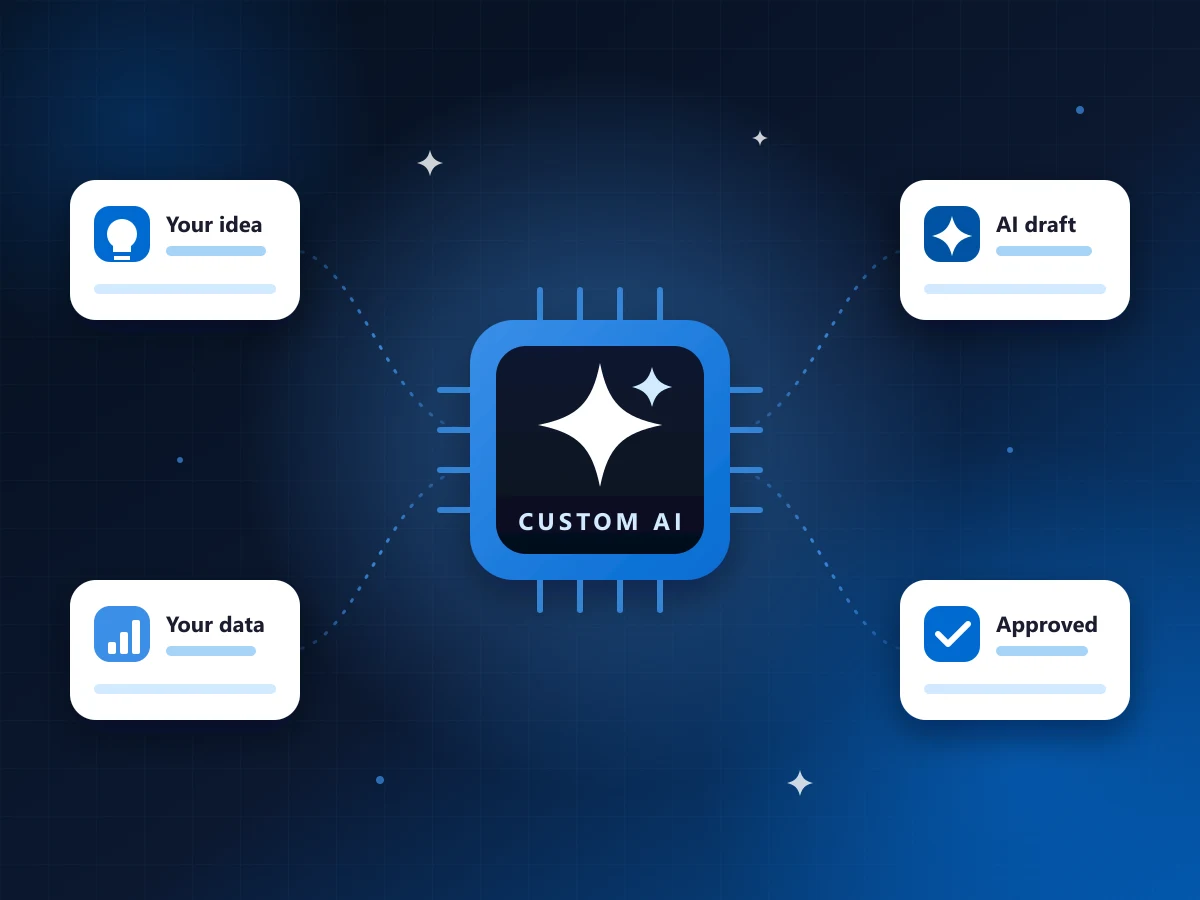
What could we build for you?
Example ideas — built around your workflowProvider Finder
Help visitors filter providers by specialty, location and availability data.
Appointment Intake Assistant
Gather the basic details needed to route an appointment request.
Website Information Assistant
Answer common questions about hours, locations and services from approved website content.
For example: A visitor could select a service, preferred location and appointment needs. AI would search approved provider and location information, show relevant options and guide the visitor to the appropriate booking page.