
Telecommunication & Data Services Website Design and Development
Build a professional website for telecommunication and data service providers to showcase connectivity solutions, network infrastructure, data management, and business services while helping customers explore offerings and request services easily.

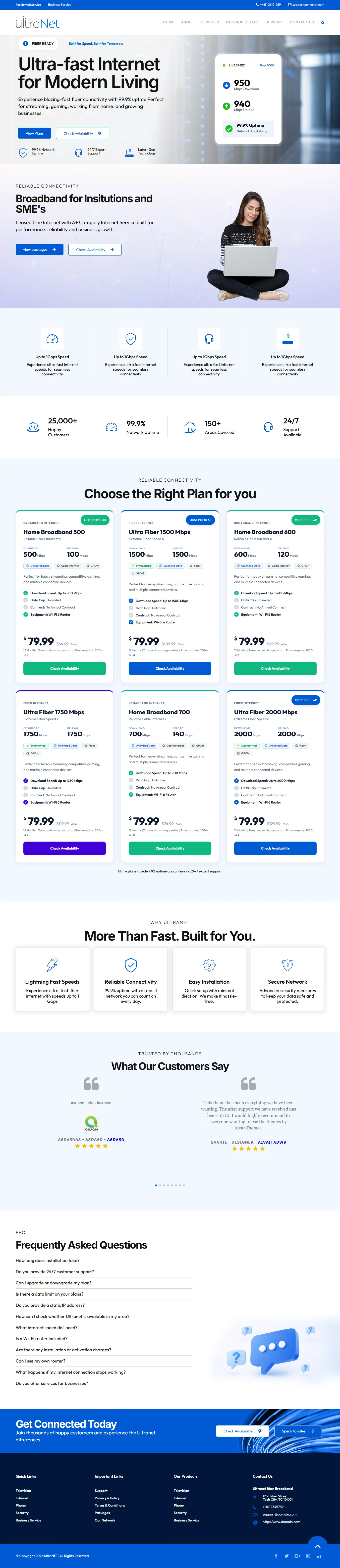
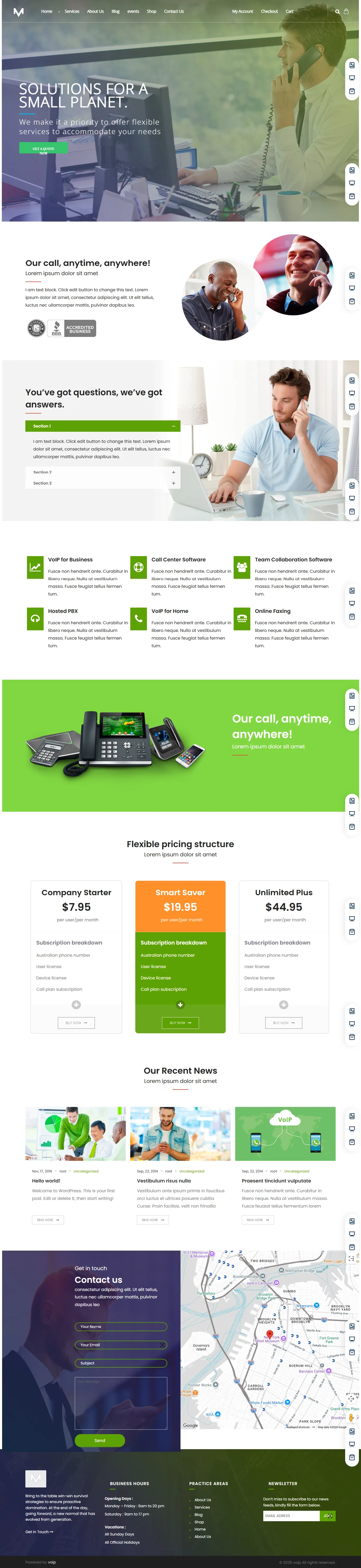
Not sure which package fits? We'll help you choose.
Or reach us directly
Telecommunication & Data Services Website Design and Development That Connects Customers to Your Services
Give customers a clear way to understand your connectivity services and check their options. Then help them reach the right team. A telecommunications website has to explain technical offerings in plain terms. It also needs to handle everyday tasks, from coverage inquiries and business quotes to account access.
The Custom Websites provides Telecommunication & Data Services Website Design and Development for internet service providers and telecom companies. We also work with business connectivity providers and data service businesses. Our work covers the interfaces customers use and the functions your internal teams need behind them.
Service comparison pages or availability checks may be part of your project. So might quote requests and compatible billing or customer management integrations. What goes into the build depends on your service model, the systems available and your business requirements.
Website Solutions for Telecom and Data Service Providers
A residential internet provider may want visitors to check an address before choosing a plan. For an enterprise network provider, detailed service pages and a structured sales inquiry may matter more. Different connectivity businesses need different routes through their websites.
Our Telecom Website Design and Development Services turn those requirements into suitable layouts and functions that work.
Business type | Website priorities |
Internet service providers | Coverage information, plan presentation and availability inquiries |
Business broadband providers | Business service pages, installation inquiries and quote requests |
VoIP and unified communications providers | Feature comparisons, solution pages and consultation booking |
Fiber and network connectivity providers | Location-specific information and service qualification requests |
Managed network service providers | Clear service scope, support routes and client resources |
Data center and colocation providers | Facility information, capacity inquiries and technical sales contact |
Your company’s actual services determine the final scope.
Telecommunication Website Design Services
Visitors shouldn’t need specialist knowledge to find an answer on your website. Our Telecommunication Website Design Services break complex offerings into pages people can follow. Comparisons explain the differences. Clear next steps show them where to go.
We work through UI/UX and wireframes before developing the visual details. That includes branding, responsive layouts and accessibility. The planning considers how residential customers use the site, alongside business buyers and existing account holders.
Custom Telecom Website UI/UX Design
Before detailed design starts, we map what visitors need to decide before they contact you or choose a service.
Wireframes show routes to connectivity options and availability checks, along with support. Your team can review the proposed User Interface (UI) and User Experience (UX) at this stage.
Broadband and Connectivity Service Page Design
Where you offer business broadband or dedicated internet access, each needs a page that explains its purpose. The same applies to fiber connectivity.
We separate descriptions from relevant specifications and inquiry options, so visitors can compare services without working through one crowded technical page.
Plan Comparison and Pricing Layout Design
Visitors need context to judge an offer. We give your approved plan information clear labels, covering price and speed alongside contract terms and important conditions.
Qualifying details get appropriate space in the comparison layout. They shouldn’t be hard to find.
Responsive Telecom Website Design
A coverage form that works on a desktop still needs a practical layout on a phone. Comparison tables and support menus need that attention too.
We design for mobile phones and tablets as well as desktop screens. On mobile, readable information and comfortable controls take priority.
Telecom Branding and Visual Identity Design
Your service pages should feel connected to campaign pages and customer entry points. We apply consistent typography and colors, with matching imagery and interface styles.
Reusable design patterns give future pages a clear visual direction too.
Website Navigation and Support Journey Design
We build navigation around what customers need to do. Internal department names don’t always help them find an answer.
New visitors may be looking at services. Existing customers may need billing or technical support, so each audience gets a clear route to the right destination.
Accessible Forms and Customer Interface Design
We give forms descriptive labels and put related fields together, with instructions that explain what’s needed.
Error messages and confirmation screens get the same attention. Accessibility work includes suitable contrast and information people can understand without relying on color alone.
Telecommunication & Data Services Website Development
Our Telecommunication & Data Services Website Development Services create the functions your website needs behind the pages. This covers front-end code and back-end processing, along with databases. Account access and compatible system connections also form part of the work.
First, we establish what information belongs on the website. We also identify which records should stay in your operational platforms. Those decisions shape how availability checks work, how inquiries move through the business and how customers complete account tasks.
Custom Telecommunications Website Development
We build around the sales and customer service workflows you’ve agreed. That could mean structured quote requests or service qualification forms, with location-based content where needed.
Each function has defined rules for submissions and record handling. Administrative control is part of that planning.
Telecom Website Front-End Development
Approved layouts need to work in a browser. We code the menus and comparison controls, then build forms and other interactive components.
The work includes responsive behavior and keyboard access. Visitors also need useful feedback when they complete an action.
Back-End and Database Development
Server-side functions process requests and manage the records held by your website. We use data validation to help reject incomplete or invalid submissions.
Permission checks define who can create records or update them, as well as who can access the information.
Coverage and Service Availability Integration
We assess an approved coverage database or compatible provider API to see how your website can check availability.
The build may handle address lookup and request processing, then display the result. Its accuracy and level of detail depend on the service data underneath it.
Customer Portal Development
Account functions start with the tasks customers need to complete. They may need approved service details or documents, or a way to submit support requests.
Secure authentication and role-based permissions determine what each account can see.
CRM, Billing and Operational System Integrations
We assess your Customer Relationship Management (CRM) platform and billing system, plus relevant Operational Support Systems or Business Support Systems (OSS/BSS).
The work defines data mapping and permissions, along with transfer behavior. What’s possible depends on provider access, licensing and documentation.
Quote Request and Order Workflow Development
We build the steps that follow a service inquiry or an approved order process. Field validation and internal routing may be included, along with status notifications.
Before online ordering can be confirmed, product rules need to be defined and compatible operational systems must be available.
CMS and Service Content Management
A Content Management System (CMS) lets authorized staff update service pages and location information. It can also cover resources and announcements.
Structured fields help keep specifications and plan details consistent. Publishing permissions determine who can make changes.
Website Security and Data Protection
We implement controls around your forms and accounts, including private resources. Depending on the scope, these may cover encrypted connections or restricted permissions, plus protected uploads.
Customer records and billing connections need careful handling of credentials and access rights.
Website Performance and Technical Optimization
We work on the technical factors behind page loading and responsiveness. That may mean improving image delivery or caching, then addressing scripts and inefficient queries.
External account or availability services need attention too, including suitable loading states and ways to handle failures.
Website Maintenance and Upgrades
Our website maintenance service can include agreed updates and fault resolution, as well as integration checks. Connected systems can change and require technical adjustments.
New functions and larger upgrades go through a separate assessment before implementation.
Essential Features of a Telecom and Data Services Website
Customers usually arrive with practical questions. Can they get the service? What’s included? Where do they go for help? The right website features help answer those questions using accurate information from approved sources.
Address-Based Availability Checks
Visitors can submit an address or service location through an availability checker. Where suitable data is available, the website can return relevant coverage information.
If live qualification isn’t available, it can collect a coverage inquiry instead. Results should make clear when availability is an initial indication rather than a confirmed installation commitment.
Clear Service and Plan Comparisons
Comparison tools show visitors the differences between your offerings. These might cover advertised speeds and data allowances, alongside support arrangements and contract terms.
Your business supplies the approved specifications and conditions. Clear definitions help customers understand what’s included before they inquire.
Business Connectivity Quote Forms
A business quote form gathers the details needed to assess a connectivity request. That may include site locations and the required service, plus intended installation timing.
For complex requests, it can ask about multiple offices or resilience requirements. Collect enough for follow-up, without asking prospects to complete a full technical assessment.
Customer Account and Billing Access
Customers can use an account area to reach approved service records and invoices, or follow billing links. The connected billing platform determines which functions are available.
Some projects may securely link to an existing customer system instead of duplicating it. Usability matters here, alongside integration access and maintenance needs.
Technical Support and Ticket Submission
A support form gives customers space to explain a problem and provide relevant service information. A confirmation or reference number helps them track it.
With a compatible helpdesk connection, ticket updates may also be available. General support forms shouldn’t ask for sensitive credentials.
Service Status and Maintenance Notices
Customers need to see which service or location an outage affects, plus the latest update. A status section can display approved outage information and planned maintenance notices.
Live status needs a suitable operational source. For manual notices, display update times clearly and assign responsibility for publishing them.
Installation and Service Request Tracking
A tracking feature can show customers the approved stages of an installation or service request. It can also show any action they need to take next.
Those updates depend on information from your operational system. An estimated date shouldn’t appear as a confirmed appointment.
Resource Library and Product Documentation
Visitors can find setup guides and product documents in a resource library, along with service explanations. Categories and search tools help them locate the right material.
Version details help identify current instructions. Where needed, private documentation can stay behind account permissions.
Make Technical Services Easier to Evaluate
Similar service names don’t always mean similar terms. That can make telecommunications offers hard to compare. We can design clearer ways to present your actual services and develop the content tools needed to explain them.
Residential and Business Customer Paths
If residential and business customers need different information, we can design separate routes through the website.
Development puts the relevant page structures and forms in place, with appropriate routing. Each audience can then reach an inquiry process that fits its needs.
Location and Multi-Site Service Content
We design location pages around useful service information that’s been verified. Development gives your team manageable structures for publishing those pages.
Each page should say something meaningful about the area or service. Your business needs to confirm coverage claims, rather than assume availability from geography.
Clear Specifications and Service Conditions
We design specification sections people can read easily and develop structured fields for approved details. These may cover bandwidth or installation requirements, with Service Level Agreement (SLA) information where applicable. Conditions and limitations should stay visible beside the main offer.
Optional AI Features for Telecommunications Websites
AI can help people find routine information. It can also help staff organize incoming requests. For these features to work appropriately, they need maintained sources and suitable access controls, plus a clear route to your team.
AI Service Discovery Assistant
Visitors can describe the service they need and an assistant can point them toward published information. It may help distinguish business internet from VoIP or managed connectivity offerings.
Suggestions should stay informational. Your approved process still needs to confirm technical suitability and coverage, along with the final service scope.
AI Support Knowledge Search
AI-assisted search can help customers find setup guides or relevant support articles. Answers should come from current material your business has approved.
The assistant shouldn’t invent troubleshooting steps or treat uncertain answers as confirmed instructions. Unresolved issues need a route to technical support.
AI-Assisted Inquiry and Ticket Summaries
AI can summarize a submitted request and suggest a category for staff to review. That may help the team understand the stated issue sooner.
Staff need a way to correct classifications. Urgent incidents require defined handling, rather than depending only on an AI-generated priority.
AI Assistance Within Customer Portals
An account-based assistant may help customers find approved documents or understand routine account processes. It should only access information their permissions allow.
Billing disputes and service changes need an authorized representative, as do account-specific commitments. Users should know when the assistance is automated.
Responsible AI and Customer Data Privacy
AI integrations should only use information needed for their approved purpose. Before customer information is involved, review provider handling and retention settings, along with access controls.
Public-facing tools shouldn’t expose private account or network information. Human oversight helps identify inaccurate answers and inappropriate recommendations.
Our Telecommunications Website Design and Development Process
We plan the routes customers take through the website alongside the systems those routes depend on. Each stage settles defined design and development decisions. Then the project moves forward.
Service and Business Requirements Review
We discuss your services and audiences, then work through your website goals. Discovery also identifies coverage sources and existing software, plus customer account requirements.
These findings establish the scope and the technical dependencies the project needs to account for.
Website Architecture and Journey Planning
The sitemap organizes service pages and customer paths, with clear routes to support. Wireframes show how visitors will reach availability checks or inquiry forms.
Your team reviews that structure before detailed visual design starts.
Interface Design and Custom Development
We create the approved layouts and build the functions behind them. Design reviews check clarity and consistency. Development reviews check how things behave.
Both follow the customer tasks and business rules agreed for the project.
System Integration and Data Validation
We connect approved providers and test the information moving between systems. Checks cover field mapping and permissions, along with expected responses.
Failed requests need defined handling too. So do services that become unavailable.
User Testing and Launch Preparation
We test key forms and account functions, then review the service routes customers use. Within scope, checks also cover responsive behavior and accessibility, plus performance and security.
Launch preparation includes approved content and the handover guidance agreed for your team.
Maintenance and Continuous Improvement
Support after launch follows the maintenance scope. Customer questions can highlight useful improvements, as can feedback from your operational teams.
New design requirements and functions are assessed before implementation.
Benefits of Professional Telecom Website Design and Development
Clear design helps customers understand what’s available. Reliable development makes inquiries and account tasks work, alongside system connections. Together, they can improve how the website supports customers and your internal teams.
Clearer service communication: Organized pages help visitors tell connectivity options apart.
They also make the relevant conditions easier to understand.More useful sales inquiries: Your team gets location and requirement details through structured forms.
Those details are available before follow-up begins.Better customer self-service: Suitable account tools give customers a way to handle routine tasks.
Relevant resources can make those tasks easier to complete too.More organized support requests: Defined submission paths help direct reported issues.
Requests can reach the appropriate team through those paths.Less duplicate administration: Compatible integrations can reduce repeated data entry.
That applies across the website and connected business systems.More consistent information updates: Staff can use suitable content tools to maintain plan details.
The same tools can help them keep documents and notices current.Support for future expansion: Reusable layouts give additional services a place in the website.
Planned architecture can accommodate more locations too.
Why Choose The Custom Websites for Telecommunication Website Design and Development?
The Custom Websites handles customer-focused design and technical development within the same project approach. We design layouts that explain your services clearly. Then we develop the functions behind qualification requests and inquiries, along with approved customer tasks.
Our Telecommunication Website Design and Development Services are based on what your business needs and what your available systems can support.
Design That Makes Complex Offers Clearer
We put technical information into readable layouts with customer paths people can follow. Service descriptions and specifications get appropriate attention, as do conditions.
The design helps visitors make informed inquiries without overwhelming them with information.
Development Around Your Operational Requirements
Before implementation, we define how submissions and account access should work. Connected records need clear rules too.
Functionality follows agreed responsibilities and processes, keeping the build focused on tasks your business can support.
Early Integration Assessment
We review coverage and billing connections before confirming their scope. CRM connections receive the same technical assessment.
Checking available access and provider dependencies at this point helps identify limitations early.
Practical Planning for Long-Term Use
Consistent design and manageable content tools help your team make future updates. Development decisions also account for security and performance, with maintainability in mind.
Any optional AI feature needs a defined task and appropriate oversight.
Build Your Telecommunication & Data Services Website with The Custom Websites
Help customers explore your services and check their options, with a clearer route to the right team. The Custom Websites combines professional website design with custom development. That can cover service pages and availability inquiries, along with customer resources and compatible integrations.
Tell us how your services work and what your operations require. We can use those details to define a practical scope for your website.