
Grocery Store Website Design and Development
Build a grocery store website that makes online shopping simple for your customers. We create custom websites with organized product categories, shopping carts, secure checkout, and delivery options to help grocery businesses manage online orders efficiently.
Standard
What's Included
Available Add-ons
Custom Grocery Store Website Design and Development for Online Shopping
Your customers need to find groceries, understand pack sizes and choose a convenient way to receive their orders. Your staff need accurate order details and a workable process for picking, payment and fulfillment.
The Custom Websites provides Grocery Store Website Design and Development for local grocery retailers, supermarkets and online grocery businesses. We plan your website around product discovery, online ordering, secure payments, inventory visibility and delivery management.
Whether you are launching your first store or improving an existing website, we help define the right design, functionality and supported integrations for your operations.
Custom Grocery Store Website Design and Development Services
Build a website that matches the way your business serves customers. Our Grocery Website Design Services and Grocery Website Development Services cover storefront design, ordering workflows and the administration tools included in your project.
Custom Grocery Website Design
Our custom grocery website design services shape the layouts, visual style and interactions around your brand and catalog. We plan reusable templates for collections, products and shopping pages. Your team can review important screens before development begins.
Grocery E-Commerce Website Development
Connect product selection, cart management and checkout into a complete purchasing flow. Front-end development handles what customers see while back-end development manages the underlying business rules. We define how orders reach your staff and which actions administrators can perform.
Online Grocery Ordering Website Development
Grocery Online Ordering Website Development focuses on how an order moves from the customer's basket to your fulfillment team. Scope can include picking instructions, replacement preferences and order cutoffs. We match those steps to the way your store prepares purchases.
Supermarket Website Development
Supermarket Website Design and Development needs to accommodate broad departments and larger product ranges. We plan catalog organization, promotional areas and staff permissions around your operations. Branch-specific requirements receive attention before choosing the website structure.
Grocery Website Redesign and Migration
Our Grocery Store Website Redesign Services address difficult navigation, outdated layouts and inefficient administration. For migrations, we assess existing products, customer records and order history. The plan identifies transfer limits, data cleanup needs and redirects for changing URLs.
Essential Features of a Grocery Store Website
Grocery functionality needs to reflect what staff can fulfill and what customers should expect. We define these features against your catalog, store policies and selected platform.
Grocery Product Catalog Management
Organize products by department, category and relevant attributes. Product records can include brands, pack sizes, ingredients and supplier-provided allergen information. Clear SKU management distinguishes similar products, such as individual bottles and multipacks. Your team can manage approved content through the CMS.
Product Search and Advanced Filters
Help customers search by product name, brand or familiar terms. Relevant filters may include pack size, price and verified dietary attributes. A Grocery Website with Product Search and Filters needs consistent catalog data so the results reflect actual product characteristics.
Weight-Based and Quantity-Based Pricing
Separate fixed-price packs from products charged by final weight. For loose produce, the website may show an estimated total before picking and calculate the final amount afterward. We define rounding, permitted adjustments and customer approval rules around supported payment workflows.
Shopping Cart and Quick Checkout
Make quantities, pack sizes and charges clear before payment. Where suitable, guest checkout can let customers order without creating an account. Address validation and useful error messages help shoppers complete the form. The order summary should distinguish estimated charges from confirmed amounts.
Delivery Slot Booking and Store Pickup
A Grocery Website with Delivery Slot Booking should reflect your team's available capacity. We can scope service-area checks, booking cutoffs and limits for each slot. Pickup needs separate rules for collection times and instructions. Temporary reservations can prevent customers from competing for a fully booked slot.
Inventory and Product Availability
A Grocery Website with Inventory Management needs rules for stock reservations and unavailable items. If something runs out during picking, staff may need to offer an approved substitute or remove it. Customer preferences should distinguish “no replacement” from permission to suggest an alternative.
Saved Shopping Lists and Repeat Orders
Let customers save regular purchases or rebuild a basket from an earlier order. Repeat ordering should recheck current prices, pack sizes and availability. An old order should not silently recreate discontinued items or expired offers.
Promotions, Coupons, and Loyalty Features
Configure discounts around your store's eligibility rules. Offers may apply to selected categories, quantities or customer groups. Loyalty features need an agreed process for earning and redeeming rewards. We test combinations so customers can understand the discount applied to their basket.
Customer Accounts and Order Management
Give registered customers access to order history, saved addresses and permitted account changes. Order statuses should reflect useful stages such as received, picking and ready for collection. Cancellation and amendment options need clear cutoffs tied to your fulfillment process.
Grocery Website Design for a Better Shopping Experience
Grocery E-Commerce Website Design should support a basket containing many everyday items. We focus on useful information and efficient interactions so customers can keep track of their shopping.
Homepage Design for Grocery Stores
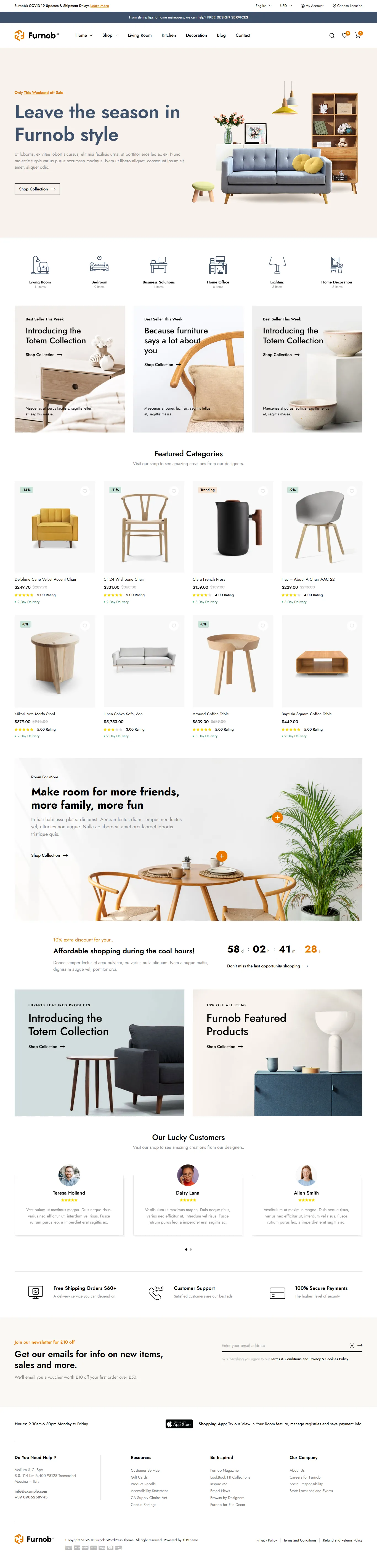
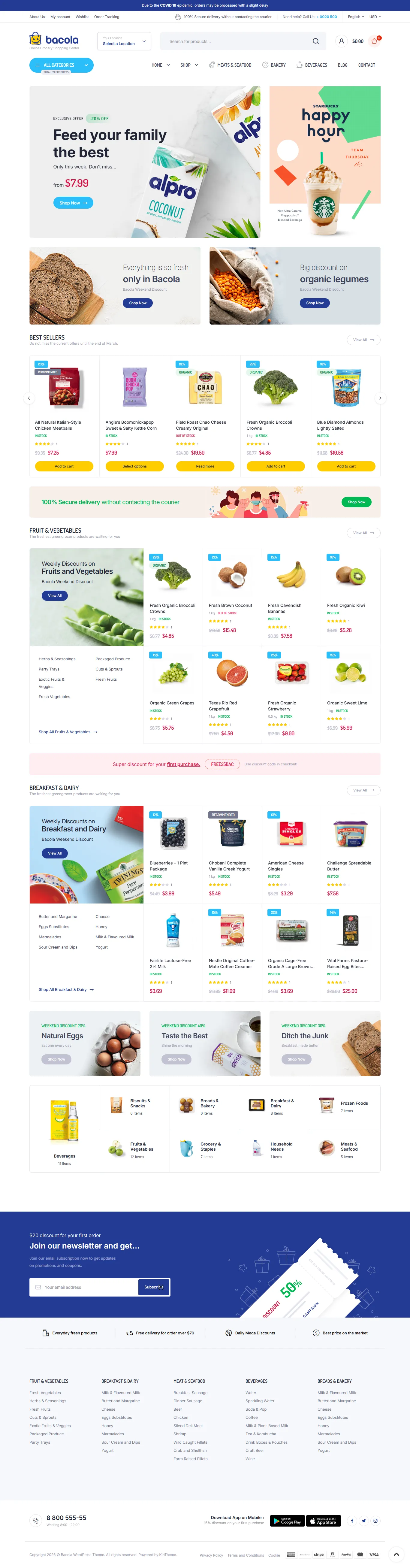
Give visitors a clear route into departments, current offers and ordering information. Location selection should appear early where it changes the catalog. Grocery Shop Website Design also needs to keep search prominent for shoppers who arrive with a specific list.
Grocery Category and Product Page Design
Product cards should show enough detail to distinguish similar items without opening every page. Include the product name, image, pack size and selling price. Detailed pages can provide ingredients, storage guidance and other verified information that would crowd a category listing.
Mobile-First Grocery Website Design
Design quantity controls, search suggestions and cart access for touchscreens. Customers should be able to add several items without losing their place. Our Online Grocery Website Design approach checks forms and basket updates on smaller screens alongside desktop layouts.
Accessibility and Website Navigation
Use clear category names, readable text and controls that work with keyboards. Screen readers should receive meaningful labels and updates when basket quantities change. Multilingual functionality can form part of the scope where needed, including translated checkout instructions and product content.
Grocery Website Development for Different Business Models
Online Grocery Store Website Development should reflect your customers and fulfillment model. The same catalog and ordering rules will not suit every retailer.
Local Grocery Store Website Development
Independent stores may begin with a focused online range and a defined delivery area. We can plan the launch around products your staff can maintain and fulfill reliably. Local ordering rules help keep the website aligned with available resources.
Supermarket and Grocery Chain Website Development
Chains may need shared brand standards alongside branch-specific ranges and offers. Online Supermarket Website Development can account for central administration and controlled local editing. Permissions define which changes belong to head office and which belong to individual stores.
Organic Grocery Store Website Development
Organic retailers need accurate sourcing and product information. We can structure fields for relevant supplier documentation and verified claims. Product labels should follow the information your business can substantiate rather than assigning broad claims across an entire category.
Fresh Produce and Specialty Food Store Development
Seasonal ranges may change more often than standard packaged goods. The website can distinguish temporary availability from discontinued products. For specialty foods, suitable content fields help your team explain preparation, storage and manufacturer-provided dietary details.
Grocery Wholesale Website Development
Wholesale buyers may order by case, pallet or minimum quantity. A trade store can include account approval, customer-specific pricing and quote requests where supported. We define purchasing units clearly so buyers do not confuse a case price with a single-item price.
Multi-Store Grocery Website Development
A multi-store setup needs to decide which location fulfills each order. We plan how address changes affect product selection, prices and the basket. Rules also need to cover customers who switch stores after beginning their shopping.
Grocery Subscription Website Development
Recurring orders need billing schedules, change cutoffs and clear pause or cancellation controls. Product shortages require a defined approach before the next order is generated. Subscription functionality depends on suitable payment support and the selected platform or extension.
E-Commerce Platforms for Grocery Store Website Development
The right platform depends on your pricing rules, delivery process and existing software. Our grocery e-commerce development services include assessing these requirements before recommending a setup.
Shopify Grocery Store Development
Shopify offers a hosted commerce foundation with established store administration. Its local delivery features support location-based eligibility rules, but scheduling and complex grocery workflows need a separate assessment. We check apps, checkout compatibility and integration requirements against your actual ordering process.
WooCommerce Grocery Website Development
WooCommerce provides a WordPress-based store with flexible content and extension options. Hosting, updates and plugin compatibility need ongoing management. Features such as subscriptions can use suitable extensions, with payment support and fulfillment rules reviewed as part of the implementation.
Custom Grocery E-Commerce Development
Custom Grocery E-Commerce Solutions may suit workflows that standard tools cannot reasonably support. Examples include complex picking adjustments or shared inventory across several sales channels. Greater control also brings more responsibility for development, testing and maintenance.
How to Choose the Right Grocery E-Commerce Platform
Compare platforms against the work your business needs to perform:
Budget: Initial development and recurring hosting, app and support costs.
Catalog: Product volume, pack variations and frequency of updates.
Pricing: Fixed packs, variable weights and trade purchasing units.
Operations: POS access, inventory connections and delivery rules.
Administration: Staff permissions and everyday editing tasks.
Growth: Planned locations, order volume and additional sales channels.
A practical platform decision considers the full cost of running the store, including work that requires third-party tools.
Payment, Inventory, and Delivery Integrations
Your grocery website needs dependable connections to the systems behind each order. Our grocery website development service can include mapping the required data, update schedules and exception handling before integration work begins.
Payment Gateway Integration
Connect supported payment providers for your market and business requirements. Grocery orders may need authorization before picking and an adjusted final charge afterward. We assess provider support for that workflow and define what happens if an adjustment or payment fails.
POS and Inventory System Integration
A Grocery Website with POS Integration needs consistent product identifiers across online and in-store sales. We review stock movements, returns and barcode-based records where available. Synchronization frequency depends on supported interfaces. Failed transfers need visibility and a recovery process rather than silent data loss.
ERP and Supplier System Integration
ERP integration can exchange approved purchasing, stock or order records. Supplier connections may provide catalog updates and availability feeds. Expiration date tracking requires batch-level data where supported. It usually belongs in the operational inventory system, with the website receiving relevant sellable-stock information.
Delivery and Order Tracking Integration
Connect supported dispatch or delivery software to pass order details and receive status updates. We define which updates customers see and when staff intervene. A tracking link or estimated arrival window should reflect information the provider actually supplies.
Email, SMS, and Customer Communication Integration
Send relevant confirmations, pickup notices and substitution requests through suitable providers. CRM integration can pass customer inquiries to the right team. Transactional updates and optional marketing messages need separate settings so customer preferences remain clear.
If you already operate a grocery app, API integration may allow shared product, account and order data. We assess the existing back end and access controls before including cross-channel synchronization.
SEO-Friendly Grocery Website Development
Our approach to Grocery Retail Website Development includes a technical foundation for useful, discoverable pages. This work supports content management and search access without promising rankings.
SEO-Friendly Website Architecture
Create a logical hierarchy from departments to categories and products. Crawlable navigation and internal linking help connect important pages. Stable URLs also reduce unnecessary changes when your team reorganizes promotional content.
Product and Category Page Optimization
Provide editable fields for page titles, descriptions and relevant copy. Templates should accommodate original product details rather than relying only on short supplier labels. Category pages need room for useful information without pushing shopping controls far down the screen.
Grocery Product Schema Markup
Use appropriate product structured data for the information visible on each page. Prices, availability and genuine review data need to remain accurate. Weighted products require particular care with the displayed purchasing unit. Markup does not guarantee enhanced search appearances.
Local SEO for Grocery Stores
Build useful location pages with accurate addresses, opening hours and pickup information. Where relevant, include directions and store-specific services. Local business markup should match those details. Branch pages need real differences rather than copied text with a changed city name.
Website Speed and Core Web Vitals
Review loading speed, interaction responsiveness and layout stability on key shopping pages. We assess images, scripts and third-party tools alongside the theme code. Performance work should account for customers browsing large lists and updating baskets frequently.
Grocery Website Indexing and Technical SEO
Plan XML sitemaps, canonical URLs and handling for filtered pages. Temporary stock shortages need a different approach from permanently removed listings. We also review pagination and any JavaScript behavior that affects search access to products.
Security, Performance, and Scalability
Your website needs to handle busy shopping periods and frequent stock changes. Our Grocery Store Web Development Services address the technical responsibilities appropriate to your platform and hosting setup.
Grocery Website Security
Plan HTTPS, suitable staff permissions and protection for administrative access. Where supported, scope can include stronger authentication, logging and recovery controls. Payment credentials should be handled through appropriate provider tools rather than stored unnecessarily within the website.
Performance Optimization
Keep catalog imports and other slow background tasks from unnecessarily delaying shopping actions. Caching can speed up public content, but private accounts and current basket details need different treatment. We review how external system delays affect the customer experience.
Scalable Inventory and Store Management
Structure product and location records around expected growth. Database development in a custom build should account for frequent stock updates and concurrent orders. Scaling also means keeping branch permissions and operational reports manageable as more stores join.
Quality Assurance and Testing
Test complete scenarios, including competing orders for limited stock and a final weight change after picking. Delivery capacity and payment failures need checks too. Quality assurance testing covers the agreed browsers, devices and integrations, with business rules reviewed by your team.
Our Grocery Store Website Design and Development Process
The Custom Websites organizes project work around clear stages and client review. The activities within each stage depend on your agreed scope and the systems involved.
1. Discovery and Requirement Analysis
Review your catalog, customers and current operations. We discuss picking practices, pricing units and fulfillment constraints. Access to existing systems helps identify dependencies before choosing how the website should work.
2. Website Strategy and Architecture
Plan the site structure, user journeys and system connections. We assess platform options and define ownership of product, stock and order data. Launch priorities guide which features belong in the initial build.
3. UI/UX Design and Prototyping
Design the important shopping and account screens using representative products. Your team reviews how customers select quantities, manage baskets and choose fulfillment. Prototypes help clarify interactions that would be difficult to judge from static layouts alone.
4. Website Development and Integration
Build the approved templates, configure administration tools and develop agreed functionality. We connect supported external systems and check sample data. A separate testing environment allows review before changes reach the live store.
5. Testing and Quality Assurance
Check the website against approved requirements and realistic ordering situations. Your staff validate operational rules through acceptance testing. We review identified issues and confirm readiness before scheduling the launch.
6. Launch and Ongoing Support
Coordinate final data updates, access settings and release checks. Your team receives guidance on the agreed administration tasks. Post-launch assistance and continued maintenance follow the responsibilities and coverage defined for your project.
Why Choose The Custom Websites for Grocery Website Development?
Choosing a Grocery Website Development Company involves more than comparing visual designs. You need to understand how the proposed website will fit your store's daily work. Our approach keeps those decisions connected to your requirements.
Custom Solutions for Grocery Businesses
Custom Grocery Store Website Development begins with the way you price, pick and fulfill orders. We assess which needs fit standard features and which require additional work. This gives the proposed scope a practical basis.
User-Focused Website Design
Our Grocery Store Web Design Services examine the tasks shoppers repeat throughout a visit. Quantity changes, search results and order summaries need to remain understandable. Design reviews use these tasks to judge whether layouts work.
Flexible E-Commerce Development Services
We compare platform features, extensions and custom development against the required outcome. Your proposal should distinguish these components and their recurring costs. You can then make decisions with a clearer view of dependencies.
Scalable Website Architecture
We consider planned locations and sales channels during architecture discussions. Growth requirements help shape product data and integration choices. Additional functionality can then be planned around the foundation rather than treated as an automatic entitlement.
Structured Development and Testing
Agreed review stages keep design, implementation and business validation connected. Your team can identify operational mismatches before launch. Requested changes should show their effect on scope and scheduling before development proceeds.
Ongoing Website Maintenance and Support
Our Grocery Website Maintenance Services can be scoped around your platform and integrations. Coverage may include updates, monitoring and technical fixes. We define responsibilities and separate routine maintenance from requests for new functionality.
Build Your Grocery Store Website with The Custom Websites
Give customers a clear way to find groceries, place orders and choose how to receive them. The Custom Websites can plan your store around responsive design, practical e-commerce functionality and supported inventory, payment and delivery connections.
Share your catalog, existing systems and launch priorities so we can define the work your business needs.
Let's Build Your Grocery Store Website. Contact The Custom Websites to discuss your project and request a tailored proposal.
Payment Methods

Chat With Us
(929) 596-6672
Frequently Asked Questions
Choose Your Plan
Flexible options to match your budget and timeline.
Premium
Prefer a Smaller Monthly Payment?
Get a professional website from $69/month with hosting, maintenance and support included.
Related Products

Need a Custom Solution?
Every business is unique. Tell us about your requirements and we'll put together a tailored proposal — at no obligation.
Response in 24 hours
We review every inquiry personally
No commitment needed
Free consultation, zero pressure
Custom pricing
Scaled to your exact requirements
Or reach us directly
Get Your Custom Quote
Free consultation · No obligation