
Retail Store Website Design and Development
Get retail store website design and development with product catalogs, inventory management, secure checkout, and payment integration. Build an online shopping experience that helps customers explore products, place orders, and connect with your retail business.
Standard
What's Included
Available Add-ons
Custom Retail Store Website Design and Development for Your Business
During lunch a customer in Chicago pulls up your store on her phone. Does that jacket come in her size? Can she collect it today? If she can't get those answers from your website she may look somewhere else.
The Custom Websites provides Retail Store Website Design and Development. Shoppers can look through your products before coming in or order from home. And the site needs to work with the way your staff manages stock and answers customer requests.
What your store needs comes first. That shapes the responsive layouts and custom functionality. E-commerce features and third-party integrations link what customers do online with the work your staff does behind the counter.
Give Customers a Clear Way to Shop With Your Store
Some customers want their order delivered. Others are checking directions or asking if an item is available before they leave home. They aren't all using your website for the same reason.
With Retail Business Website Development those needs guide the features. Store hours and a searchable catalog may be enough for a small boutique. A growing retailer might need online payments plus pickup options that use local stock information.
Keep the scope practical. Features your business doesn't use still leave your team with work to manage.
Custom Website Design for Retail Stores
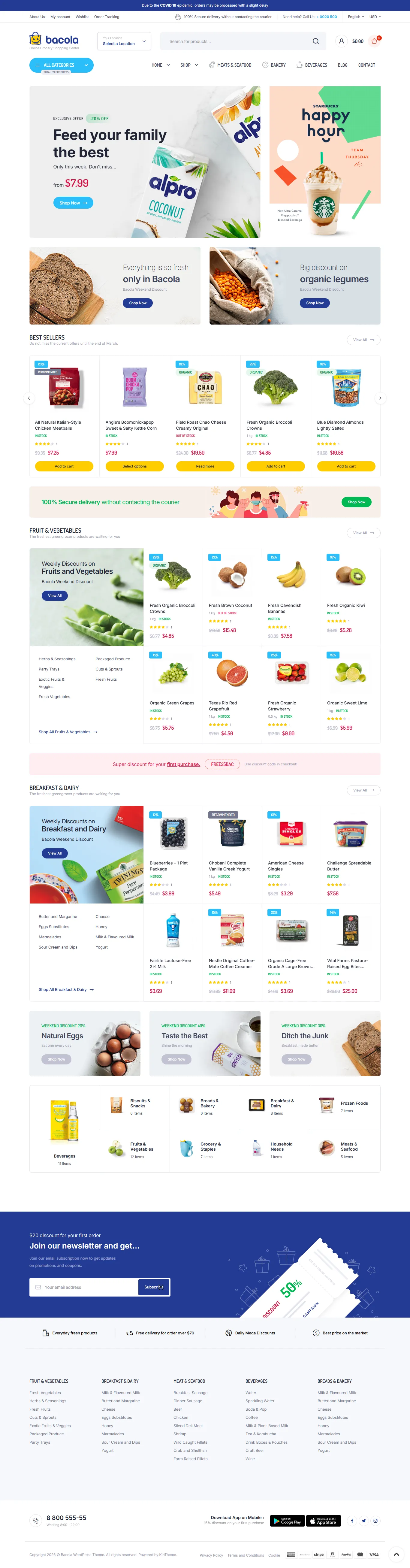
Your products come first in Custom Retail Store Website Design. So do the people who buy them. The layout needs to feel like your brand and help customers make ordinary shopping decisions.
Retail Store Website Design Based on Your Brand
Colors and photography take their direction from your Brand Identity. Your existing store signage can also help the website feel connected to the shop customers know.
With our Retail Store Website Design Services those details become a design your team can look over before development starts.
Custom Website Layouts and Visual Design
Large product photos need space on a furniture showroom website. For a convenience store the priority may be getting shoppers to offers and opening hours quickly.
Retail Shop Website Design puts those needs first so your Homepage has a clear job to do.
Retail Website Navigation and User Experience
Where are customers getting stuck? That's the question UX Design addresses with menus that make sense and clear ways to move between pages.
Through Retail Store Web Design Services we can arrange your Homepage with the About Us Page and Contact Page so shoppers can find basic details easily.
Responsive Website Design for Mobile and Desktop
With Responsive Retail Store Website Design content adjusts to the screen a customer uses. Product details still need to be readable and buttons need room around them.
Tablet layouts matter too. Responsive Web Design lets customers browse comfortably on a screen between a phone and a larger display.
Product Page and Category Page Design
Customers use Product Category Pages to narrow down what they want. Product Detail Pages then give them enough information to compare an item or buy it.
With Professional Retail Store Website Design prices and purchase options stay in view. Specifications get a clear place of their own.
Retail Store Website Development Services
An approved design still needs to work. Custom Website Development builds the features behind those layouts and gives your staff a way to manage them.
Custom Retail Store Website Development
Some requirements don't fit a standard setup. Custom Retail Store Website Development can cover showroom appointment requests or account pricing for trade buyers.
Before the build the scope sets out how each feature will work. It also defines what your team needs to run it.
Frontend and Backend Website Development
The pages shoppers use are handled through Frontend Development. Behind them Backend Development deals with the data and rules that make those pages work.
As a Retail Store Web Development Company we join the two. When someone changes a product option the site should return the right availability and price.
CMS-Based Retail Website Development
Approved staff can use CMS Development to maintain the content they're responsible for. That could be a banner or an announcement about the store.
Permissions keep sensitive settings restricted. Your team can then handle everyday changes without asking for development work every time.
Custom Retail Web Application Development
A staff ordering portal or product configurator may need Custom Web Development. The rules for each tool need to be settled before building starts.
Through Database Integration the application connects to its records. Information can then be saved and retrieved in the format the tool needs.
Retail Store Website Redesign and Modernization
An outdated checkout or confusing menu can be addressed through Retail Store Website Redesign Services. You can keep useful content while changing the structure around it.
Where existing URLs and customer data apply a Retail Website Redesign needs a migration plan too.
E-Commerce Website Development for Retail Stores
Taking online orders means having systems to accept them and manage what happens afterward. E-Commerce Website Development adds those systems around your actual sales and fulfillment policies.
Online Retail Store Setup and Development
The operating settings are part of Online Retail Store Website Development alongside the storefront. Customers need clear pages. Your team needs an admin area they can use.
We'll set up agreed features before launch. These may include order notifications and purchases made without an account.
Product Catalog and Category Management
Items need a sensible home. Product Catalog and Category Page Development organizes them into categories that reflect how your customers look for products.
Shared attributes such as material or brand can sit within your Product Catalog. That helps staff enter products consistently and maintain them more easily.
Shopping Cart and Checkout Development
Customers should be able to adjust quantities and keep their progress. Shopping Cart and Checkout Integration links their chosen products to payment and delivery choices.
Required fields can be made clear in the Checkout System. If something needs fixing the error belongs beside that information.
Payment Gateway Integration
Your approved payment provider connects to the store through a Payment Gateway. Which methods are available depends on the platform and your provider account.
Testing is part of Retail E-Commerce Website Development. We check successful payments as well as canceled attempts and declined transactions.
Customer Accounts and Order Tracking
Returning shoppers can use Customer Accounts to check earlier purchases or manage saved addresses. Where it fits your store guest checkout can still be offered.
Buyers also need somewhere to check progress. Order Tracking shows the information your order system supplies.
Shipping, Tax, and Order Management Integration
Shipping rates can connect with order handling tools through Retail Store E-Commerce Development Services. Tax settings use the requirements you supply and services supported by your platform.
Ask your tax adviser to confirm the rules that apply. Configuring the website doesn't replace tax advice.
Essential Features of a Retail Store Website
What do shoppers need to know before buying? Useful Retail Store Website Solutions should answer those questions. Your products guide the feature choices rather than a fixed checklist.
Product Search and Filtering
Someone typing “women's waterproof boots size 8” wants relevant products quickly. Search can work with product names and the attributes agreed for your store.
Size or price filters can help narrow the results. Customers also need a clear way to remove a choice they've made.
Product Images, Descriptions, and Variations
Photos can show details that are hard to explain in words. Descriptions can cover dimensions so customers understand the item they're about to order.
When a shopper picks a size or color the variation controls link that choice to the right item record and image.
Inventory and Stock Availability
What your stock messages say depends on the data your systems supply. You might show online availability or quantities held at separate stores.
Before orders start coming in agree on the rules for backorders. Unavailable variants need rules as well.
Store Locator and Location Pages
Visitors can use a Store Locator to find a branch close to them. The page for each location can include its current hours and address.
Pickup availability and parking instructions are useful local details. They help customers work out their visit before leaving home.
Customer Reviews and Ratings
Shoppers can get more product information from reviews. If the review platform supports verified purchase labels the website can show those too.
Your staff needs moderation settings for inappropriate submissions. Honest customer feedback should still be preserved.
Contact Forms and Customer Support Features
Asking about an item shouldn't require a customer to register an account. A short form can get their product question to the right person.
How your staff answers will shape the support features. A help page or a chat service you already use may fit.
Custom Integrations for Retail Store Websites
Repeated data entry between store systems and your website can be reduced through POS and Inventory Integration. But the connection needs agreed ownership rules. Those rules cover product information and order updates.
Point of Sale (POS) System Integration
Supported product and sales data can move between your website and a Point of Sale (POS) connection. What's possible depends on the system and access available.
We'll check the limits before setting the scope. The project needs to reflect what that connection can actually handle.
Inventory Management Integration
Website quantities may come from an Inventory Management System through scheduled updates or updates triggered by events. That choice affects how current the displayed availability is.
Decide what happens when an update fails. Your team needs a way to investigate rather than assume the stock feed is still working.
ERP and CRM Integration
Supported business records can connect to website activity through ERP Integration. Agreed customer details can also reach your existing sales or support tools through CRM Integration.
Permissions and data mapping set the boundaries. They define which fields move and which information stays restricted.
Shipping and Fulfillment Integration
Order details can go to a fulfillment service through Shipping Integration with tracking information coming back. Each provider supports different actions.
Canceled orders need handling rules. So do partial shipments so customers get the right messages about their order status.
Third-Party API and Business Software Integration
The functions a software provider makes available determine what API Integration can connect. Subscription requirements and access limits may affect the build.
Those dependencies should be documented by your Retail Website Development Company. That makes later changes easier to manage.
Retail Website Development for Different Store Types
Customers buy differently across Retail Stores. A simple local storefront may suit Independent Retailers. For Online Retail Stores more detailed order handling can be needed.
Fashion and Clothing Store Website Development
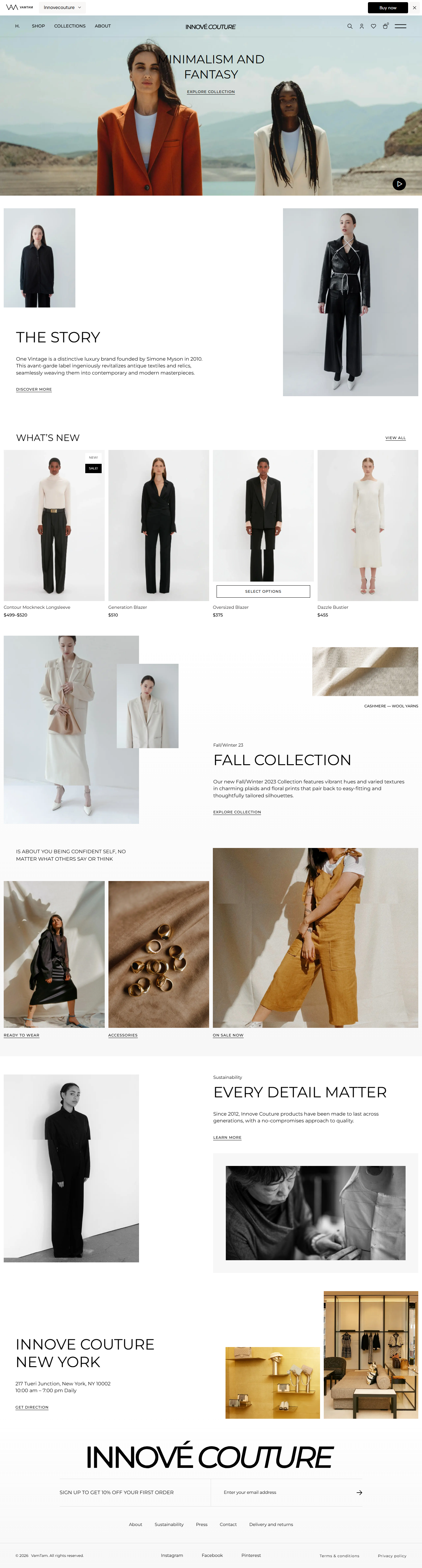
A garment has to fit as well as look right. Clear color options and size guides help apparel shoppers understand what they're choosing.
Exchange policies can appear near the point of purchase. Customers shouldn't have to leave that decision to hunt for them.
Electronics Retail Store Website Development
Before buying electronics customers often want precise specifications. Give compatibility information and model numbers a clear place on the product page.
For stores selling similar items comparison tools can help. Small differences may be what decides the purchase.
Grocery Store Website Development
Pickup windows and substitutions may be part of a grocery order. If they are the ordering rules need to account for them.
Weighted products need more planning. The estimate at checkout may differ from the final amount.
Beauty and Cosmetics Store Website Development
Ingredient information or shade details may help a beauty shopper choose. The business should supply approved content for those product pages.
Review any product claims before they're published. Building the website doesn't verify that the claims meet regulatory requirements.
Furniture and Home Decor Store Website Development
Can the item fit? Furniture customers need usable dimensions before ordering along with clear delivery details.
For products people want to see in person showroom appointment requests or fabric samples can help them make that choice.
Multi-Location Retail Store Website Development
For Multi-Location Retailers pickup choices may depend on the branch with stock. Separate stock records help customers see which location can fulfill their request.
Common content can stay consistent through shared administration. Approved staff can still update details for their own location.
Why Does Your Retail Business Need a Website?
Your shop is closed when someone nearby searches for “home decor store near me.” They can still look through your products on a website and check your opening hours. The physical store closes. Useful information can stay available online.
Retail Business Website Development gives customers a dedicated place to learn what your store sells. It also lets people beyond your usual foot traffic discover the business. They can then decide if they want to order or come in.
Plenty of customers look online even when they want to buy in person. Accurate store information and clear product details can give them a reason to visit.
How Can a Retail Website Benefit Your Business?
Create More Opportunities to Sell
Someone likes an item but isn't ready to buy it yet. With online ordering they can come back to that decision later without another trip to the store.
Delivery or local pickup can also let your website support sales beyond the people who walk through your door.
Make Shopping Easier for Your Customers
Is their size available? Can they collect the order? Answering those questions clearly means less back and forth before a shopper decides.
Useful descriptions and product filters help them browse. A straightforward checkout then helps them finish the order.
Reduce Repeated Work for Your Staff
Manual updates between the store and website can be reduced with connected stock systems. Routine questions can also be answered automatically through order confirmations.
When integrations fit your workflow staff spend less time copying details. That leaves more time to help customers.
Support Your Business as It Grows
A new location or product range gives your website more to handle. Planning the structure makes those additions easier for your team to manage.
As requirements expand the site can accommodate more location pages and categories. That doesn't promise any particular level of business growth.
Mobile-Friendly Design and User Experience for Retail Stores
Fitting a page onto a phone is a start. Responsive Retail Website Design also needs to account for the shopping tasks people are trying to finish on that screen.
Mobile-First Website Development
Smaller screens have less space. Mobile-First Design starts there with important actions appearing ahead of information that can wait.
Touch input guides the forms and menus. Customers need to finish tasks without having to tap with pinpoint accuracy.
Simple Navigation and Product Discovery
A broad category should lead shoppers toward products that fit what they want. Retail Shopping Website Development supports that with filters named in words customers understand.
Give them a clear route back to earlier results too. Comparing products shouldn't mean starting the search again.
Consistent Design Across Devices
Customers learn what buttons and page elements do through repeatable patterns. UI Design establishes those patterns across different screen sizes.
A layout can change from one device to another. The important labels and shopping behavior should still feel familiar.
Accessible Website Layouts and Interactions
Keyboard navigation and readable contrast help more people use your store. Clear labels and understandable form errors also support that work.
The accessibility requirements depend on the situation. Testing helps but doesn't guarantee legal compliance.
Smooth Shopping and Checkout Experiences
One incorrect field shouldn't wipe out what a customer has already entered. Small interruptions like that can make paying for an order frustrating.
We test common actions. That includes using a discount and going back to the cart before payment.
Retail Store Website Performance, Security, and Scalability
How the store runs after launch is affected by Retail Website Performance and Security. Everyday use needs planning. So does the growth included in your project requirements.
Website Speed and Performance Optimization
First we measure where pages are slowing down. Website Speed Optimization can then address causes such as unnecessary scripts or oversized images.
Checkout and product listings need particular attention. Customers use them throughout the purchase.
Secure Checkout and Data Protection
Controlled access is part of Website Security along with suitable protection for data passing between systems. The chosen payment provider determines its supported handling approach.
Your business needs to review privacy notices and consent requirements. A technical setup doesn't replace legal advice.
Scalable Website Architecture
Your operating needs guide Scalable Architecture alongside expected traffic and product volume. Hosting capacity is part of that planning.
As the store grows catalog queries need review too. External connections also have to be considered.
Browser and Device Compatibility Testing
Agreed features are checked in commonly used browsers through Cross-Browser Compatibility. Representative desktop and phone screen sizes are covered in testing too.
Set out the supported environments in the project scope. That keeps the acceptance criteria clear for everyone reviewing the work.
Website Quality Assurance Before Launch
Approved requirements are the basis for Quality Assurance. Staff actions in the admin area are checked along with the steps customers take to buy.
Test orders can expose incorrect totals or notification problems. Better to find them before customers place real orders.
SEO-Friendly Retail Store Website Development
Search engines get a clearer route through the site with Technical SEO. It can support discoverability. It doesn't promise traffic or rankings.
Search-Friendly Website Architecture
Useful internal links join important pages in an SEO-Friendly Website Structure. Category depth needs to fit the catalog without adding unnecessary steps.
We plan the page hierarchy with the navigation. Relevant content should be reachable for crawlers and customers.
Product and Category URL Structure
Readable URLs make individual pages easier to distinguish. Filters need their own plan since they can produce lots of similar addresses.
Useful landing pages are reviewed through Category Page Optimization. That also means deciding which filter combinations stay outside the index.
Technical SEO and Product Structured Data
Details supported by Product Schema can include availability and price. The values have to agree with what a customer sees on the page.
Structured data communicates information about that content. A specific appearance in search isn't guaranteed.
Mobile Usability and Core Web Vitals
Loading and interaction behavior can be measured through Core Web Vitals. Those measures point to technical problems that need a closer look.
Mobile checks cover everyday use too. Text needs to be readable and controls shouldn't overlap.
CMS Configuration and Indexing Considerations
Before launch review the search settings. Keep test environments restricted while making approved public pages available to be indexed.
Canonical settings and sitemaps communicate which pages are intended. They don't guarantee search engines will index every URL.
Our Retail Store Website Design and Development Process
You'll have points to review the work before major stages go ahead. The process makes clear what needs your approval and which information your team has to provide.
Business Requirements and Project Discovery
What does the store sell? How are orders handled? Discovery answers those questions with existing software and operational limits helping define the scope.
Local visits may be the priority for Brick-and-Mortar Stores. Other businesses may need the full workflow for selling online.
Website Planning and Sitemap Creation
Pages customers need are set out in the sitemap. Feature planning works out how those pages connect to the actions your business requires.
We also identify who will provide the product details. Content that needs approval is flagged at this stage.
UI/UX Design and Wireframing
Before detailed visual work Website Wireframes show where content will sit. Your team can review the placement of key information and actions.
Feedback is worked through at agreed checkpoints. Development then begins with a direction that's been approved.
Frontend and Backend Development
The approved design becomes a working site through Frontend and Backend Development. Each feature is built to the requirements you've agreed to.
Your team gets review versions to check important behavior. Those checks happen before the project moves into final testing.
E-Commerce Setup and Custom Integrations
Purchase rules and product settings are covered in store configuration. We test custom connections using the access available from your providers.
To finish this work we may need credentials from your team. Data samples may be needed as well.
Testing, Launch, and Deployment
Production settings are checked during launch preparation with redirects reviewed where needed. The deployment plan sets out how problems will be handled.
Once the site is live the team checks the important customer actions in that environment.
Ongoing Website Maintenance and Support
The technical work agreed for after launch is organized through Retail Website Maintenance and Support. Included tasks and response arrangements are defined in your support scope.
Problems can be addressed through Ongoing Technical Support as they arise. Planned improvements get a separate scope when needed.
Keep Your Retail Website Working After Launch
Software changes mean Retail Business Website Development still needs attention after release. With a maintenance plan your team knows who's responsible for the routine work.
Website Updates and Bug Fixes
Platform changes or adjustments to features already in place may be covered by Website Updates. The checks for an update depend on what it affects.
For Bug Fixes we need enough detail about the fault to reproduce it. That also lets us verify the correction.
Website Monitoring and Security Updates
Agreed signals can be tracked through Website Monitoring. These may include failed scheduled tasks or availability with someone assigned to respond to alerts.
Applicable software patches are addressed through Security Updates. Testing is based on how your store is configured.
Why Choose The Custom Websites for Retail Store Website Development?
The pages customers see are connected to the work your store does every day. You need a Retail Store Web Design Company that understands that link. Our design and development approach keeps both sets of requirements together.
We'll define the scope before we build as your Retail Store Website Design Agency. You'll know where to review the work and how it moves from planning to launch.
A scope based on your store
Your products and the way you operate guide the functionality and design.
Before development starts your team can review the work being proposed.
Connected shopping and store operations
Supported payment and stock systems are considered when planning E-commerce features.
During discovery we discuss the limits of those integrations.
Room for future requirements
Where expansion is included in the brief development takes it into account.
As your business requirements change new features can be given their own scope.
Testing and ongoing support options
The launch work includes checks against what you've agreed the website should do.
Support available after launch is defined through maintenance arrangements.
Start Your Retail Store Website Development Project
Tell The Custom Websites what customers need from the site and how your store operates. We'll talk through the design and development scope. Integrations and support are part of that discussion so you have a clear proposal to review.
Let's Build Your Retail Store Website. Contact us to discuss your project.
Payment Methods

Chat With Us
(929) 596-6672
Frequently Asked Questions
Choose Your Plan
Flexible options to match your budget and timeline.
Premium
Prefer a Smaller Monthly Payment?
Get a professional website from $69/month with hosting, maintenance and support included.
Related Products
Need a Custom Solution?
Every business is unique. Tell us about your requirements and we'll put together a tailored proposal — at no obligation.
Response in 24 hours
We review every inquiry personally
No commitment needed
Free consultation, zero pressure
Custom pricing
Scaled to your exact requirements
Or reach us directly
Get Your Custom Quote
Free consultation · No obligation