The success of an online shopping experience depends on the impression a brand website makes. Shoppers form that opinion fast. Within seconds, they decide if a fashion brand feels worth their time. Photos, layout, and speed leave a mark before anyone reads a line of copy. That first look matters, and strong fashion website design helps it count.
We came up with this comprehensive guide to share some fashion brand website design ideas with you. You can start using these ideas immediately.
Below, you will explore ten fashion website design ideas, including ecommerce themes and design examples. You will also learn about eight essential features that modern shoppers expect.
Follow this guide to give an upcoming launch or entire store redesign the look and feel of a professional fashion website.
If you are looking for an instant recommendation from a professional perspective for your fashion and beauty website design and development, contact our team at The Custom Websites. Talk about your business objectives with us. We will recommend a layout, platform, and execution plan built around your business needs.
Best Fashion Website Design Ideas to Copy in 2026
Building a modern ecommerce store does not always mean starting from scratch. A professionally coded template can speed up your launch. A flexible design can also help control early web development costs.
The following fashion brand website examples show different ways to build an engaging store. Each one offers different design and shopping features. Let’s check them one by one.
1. Kalles
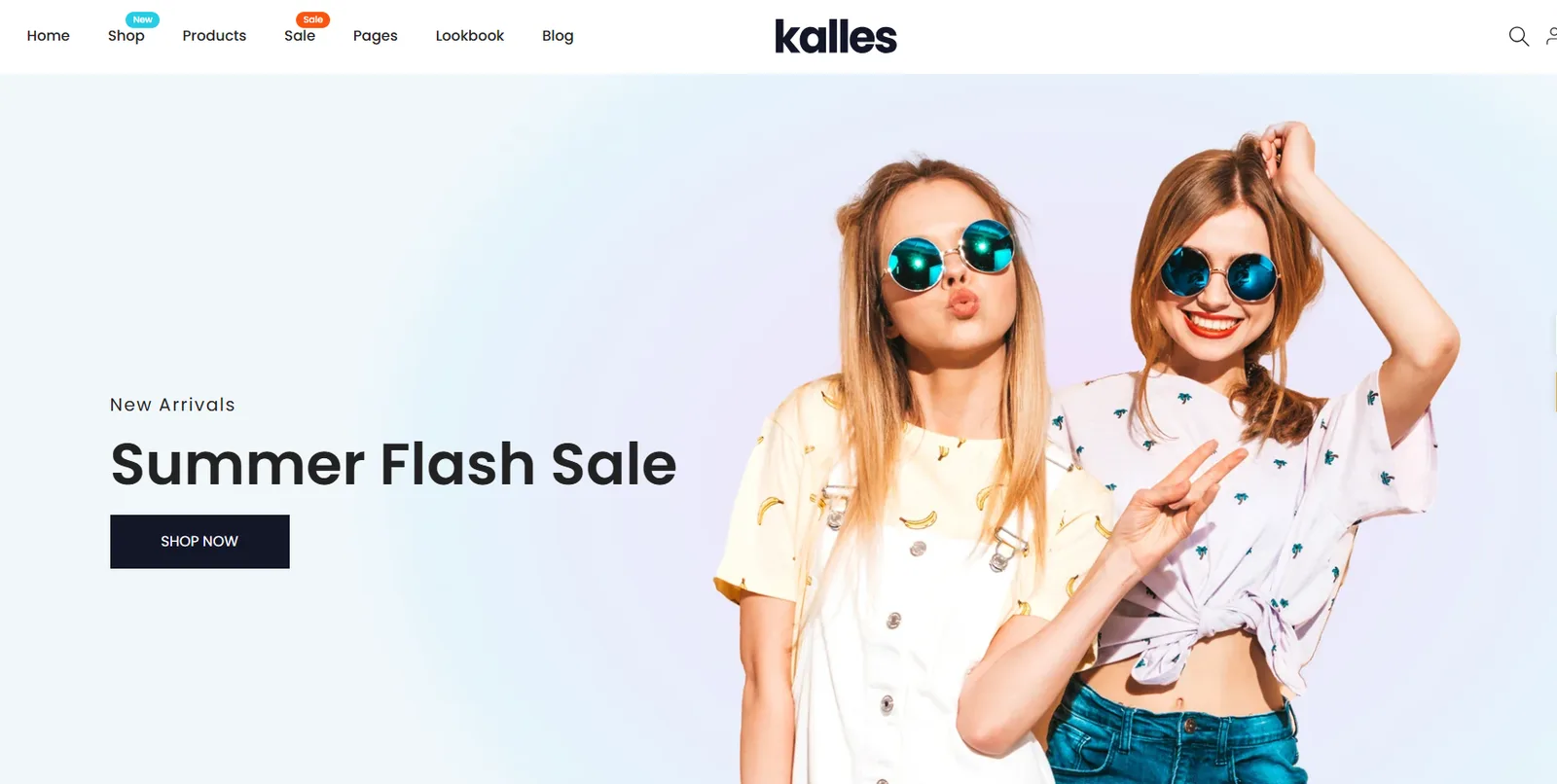
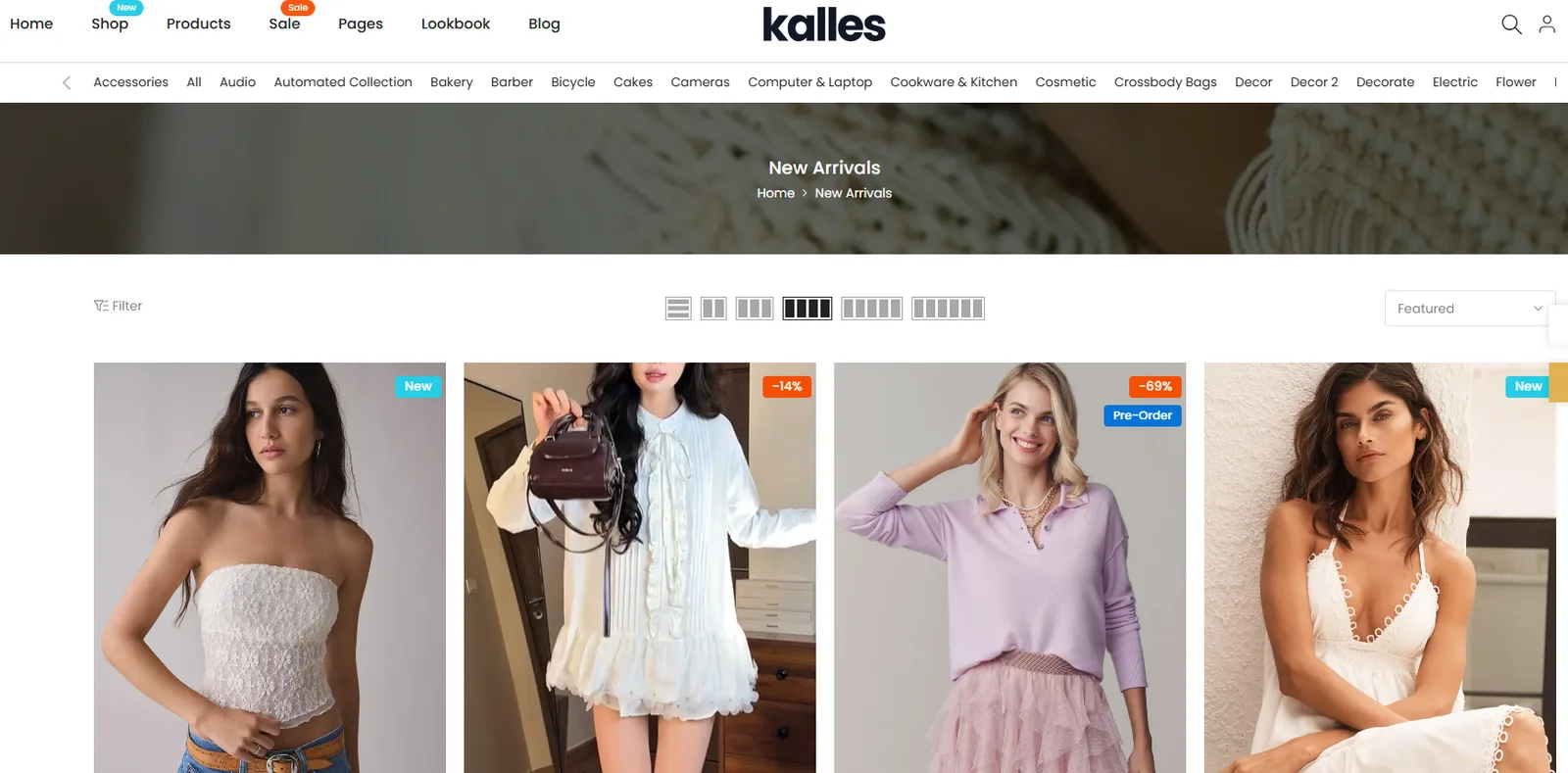
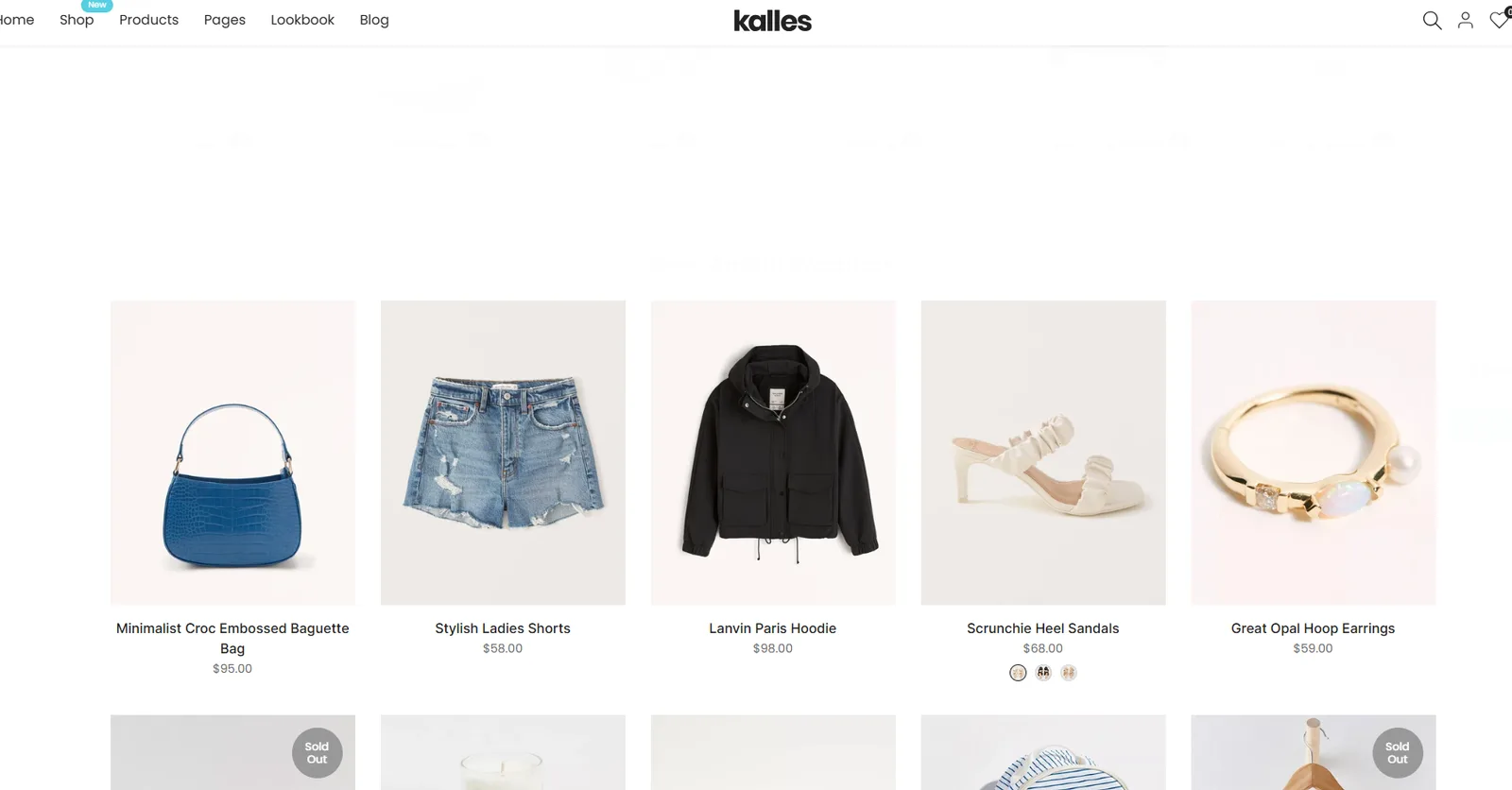
Kalles is an all-in-one ecommerce template for fashion web stores. It combines clean aesthetics with strong flexibility. It also focuses on rapid performance.
Key Strengths:
Over 50 unique homepage demos cover clothing, shoes, and accessories.
Advanced product filtering makes large catalogs easier to browse.
Dynamic color swatches give shoppers more product choices.
Built-in 360-degree product views offer another way to view products.
Best Suited For: Kalles suits medium to large clothing companies. It works well for brands seeking an elegant, personalized storefront. It also suits brands that need many built-in sales features.
2. Ella
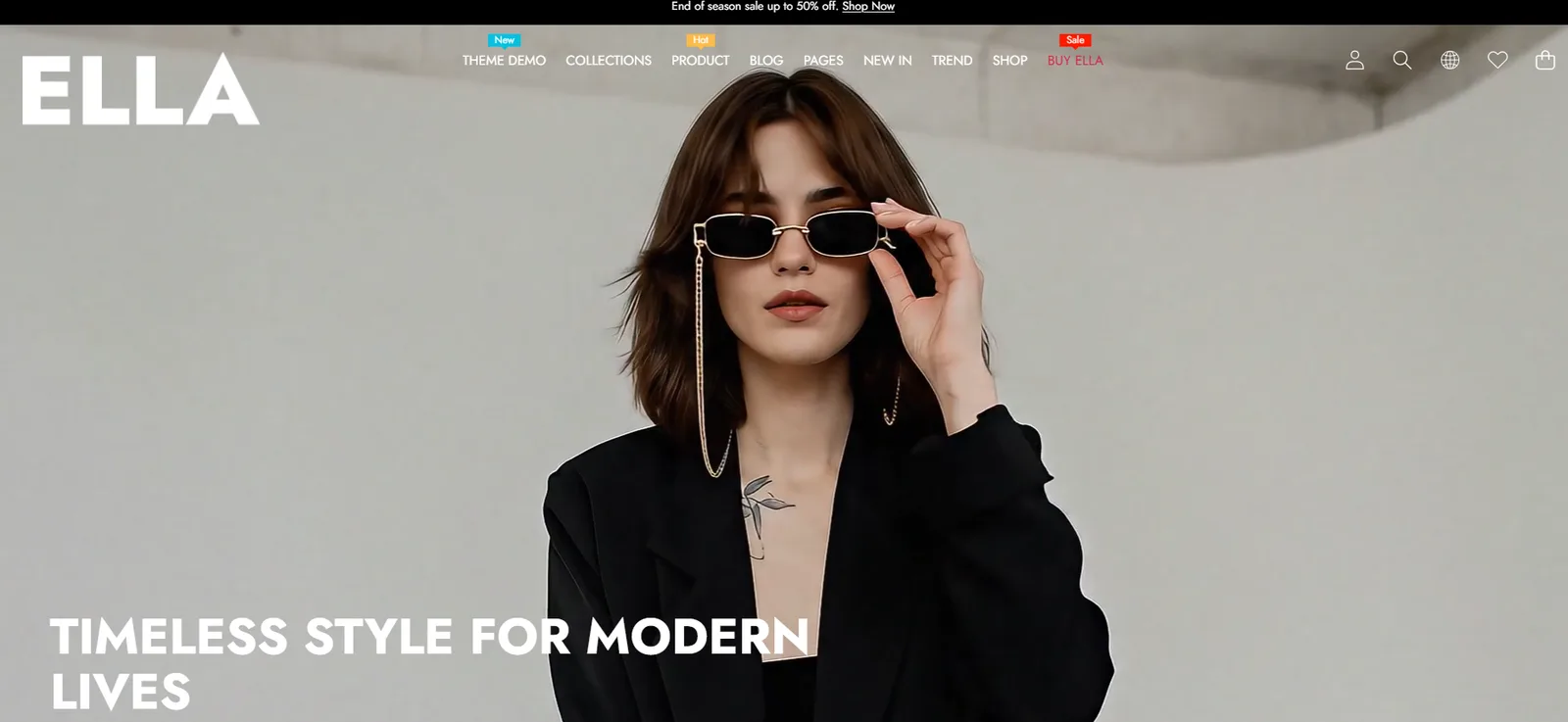
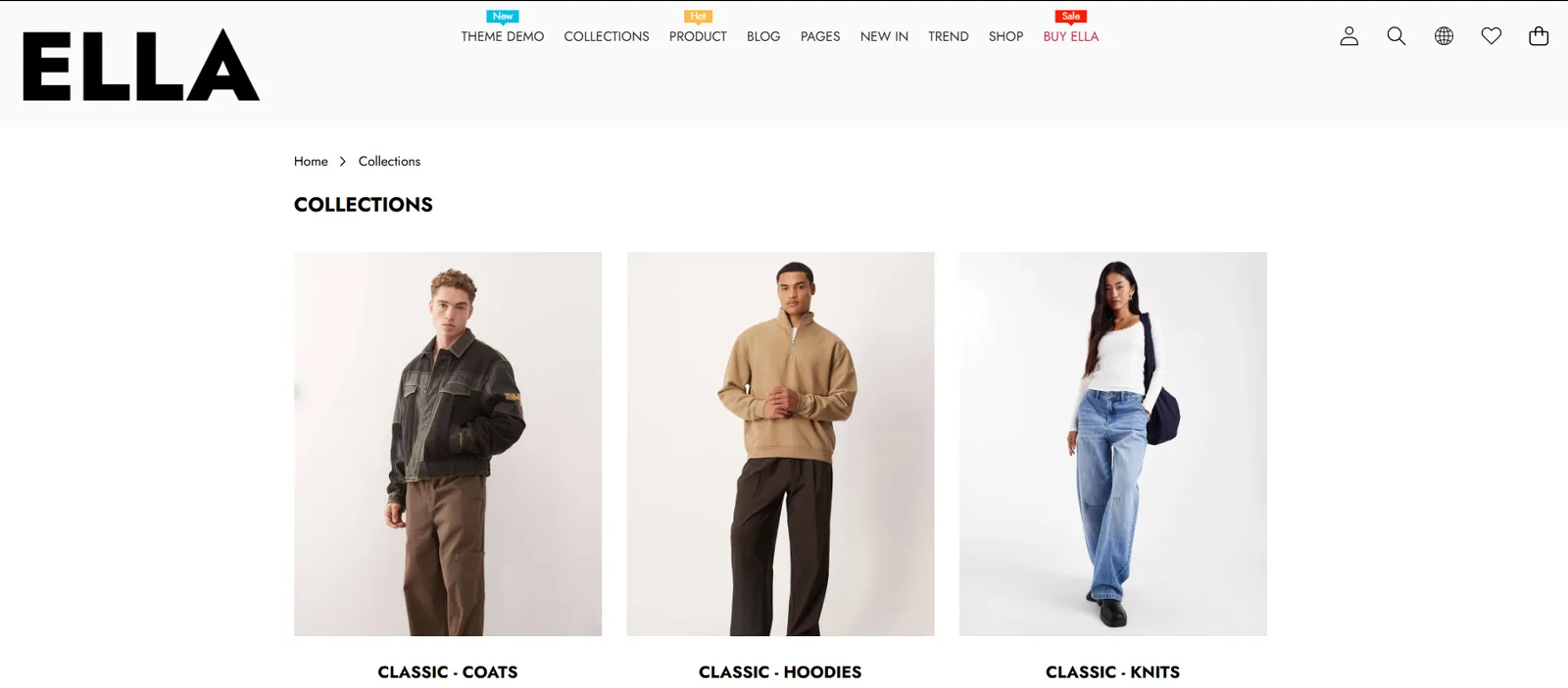
Ella is a flexible template for fashion retailer websites. It works well with large inventories and many product types. It also supports stores with high customer traffic.
Key Strengths:
Responsive product grids make large catalogs easier to explore.
Multi-column mega menus organize clothes, shoes, and accessories.
Promotional banners give brands space for special offers.
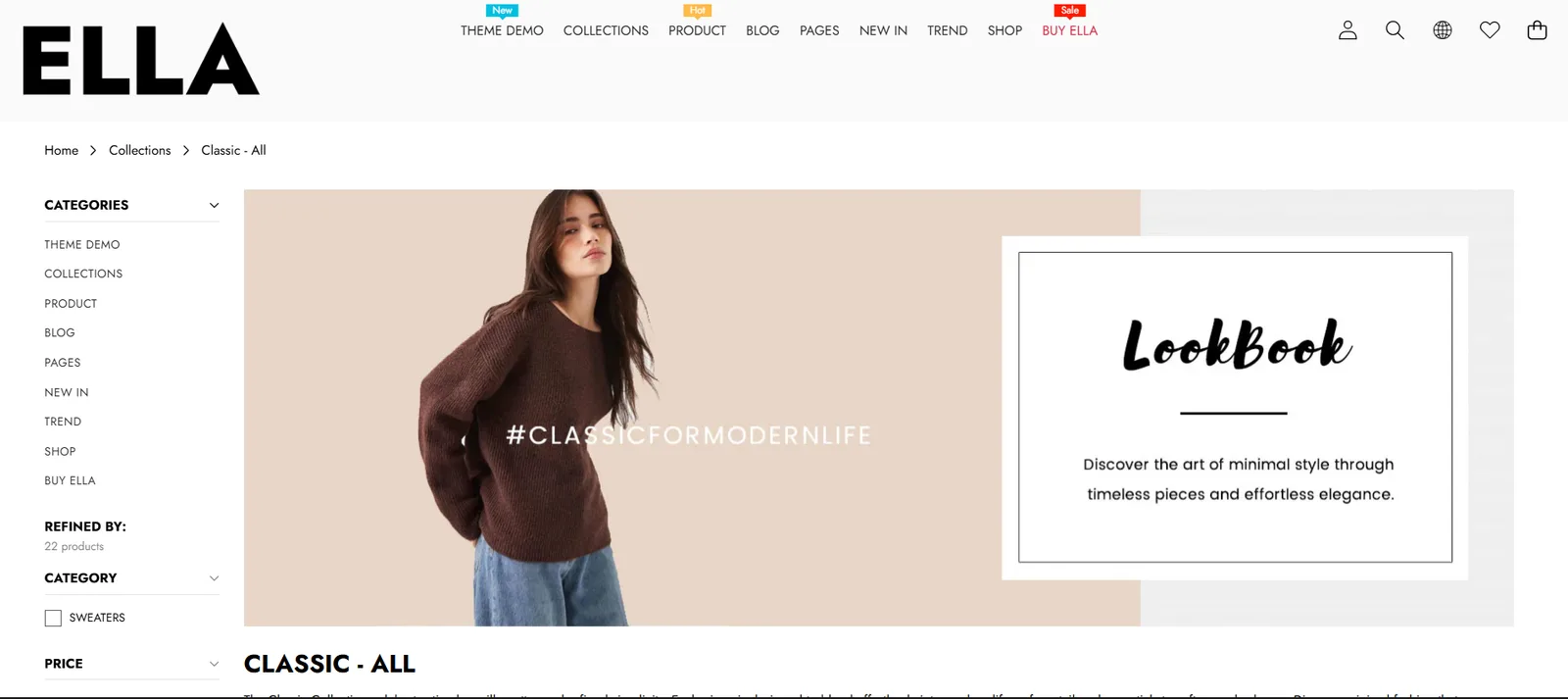
Lookbooks and quick-view tools support faster product discovery.
Wishlists and comparison features give shoppers more ways to review products.
Category layouts highlight new arrivals and seasonal collections.
Sticky add-to-cart actions keep purchasing convenient.
Mobile-friendly navigation supports shoppers using smaller screens.
Best Suited For: Ella suits high-volume clothing retailers and fashion brands. It works well for broad catalogs and many subcategories. It also suits stores with multiple product variations.
3. Minimog
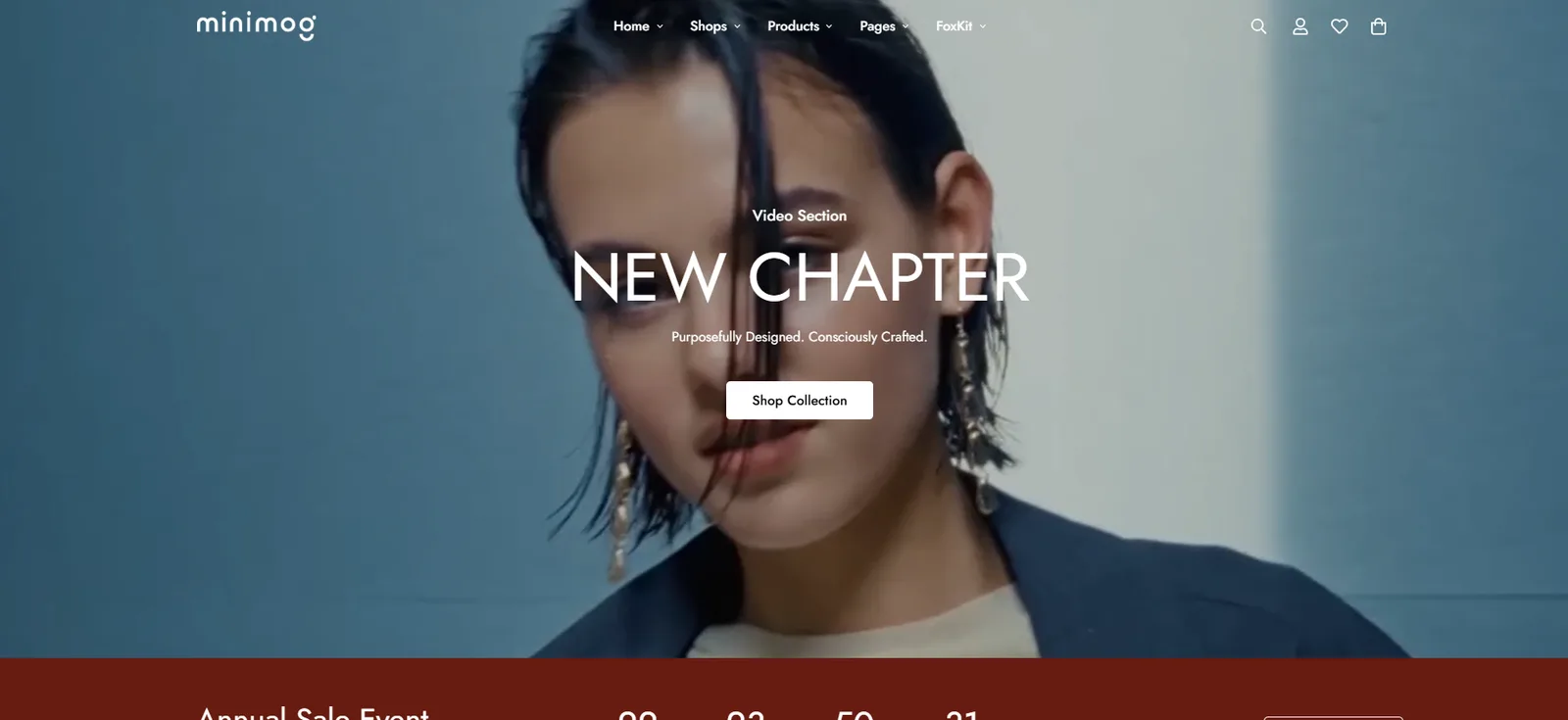
Minimog is a modern design option for fashion brands. It focuses on minimalist design and fast-loading pages. It also creates a clean shopping experience.
Key Strengths:
Product bundles and volume discounts support different sales strategies.
Product swatches help shoppers explore available product options.
Trust badges and testimonials can support customer confidence.
Interactive “Shop the Look” hotspots connect shoppers with products.
Sticky add-to-cart bars keep buying options easy to reach.
Flexible content sections give brands more control over page layouts.
Built-in features can reduce the need for extra app subscriptions.
Its lightweight codebase supports strong website performance.
The responsive design works across desktop and mobile devices.
Best Suited For: Minimog is great for DTC clothing startups, boutique apparel labels, and eco-friendly fashion stores that want to create a minimalistic concept for their online appearance.
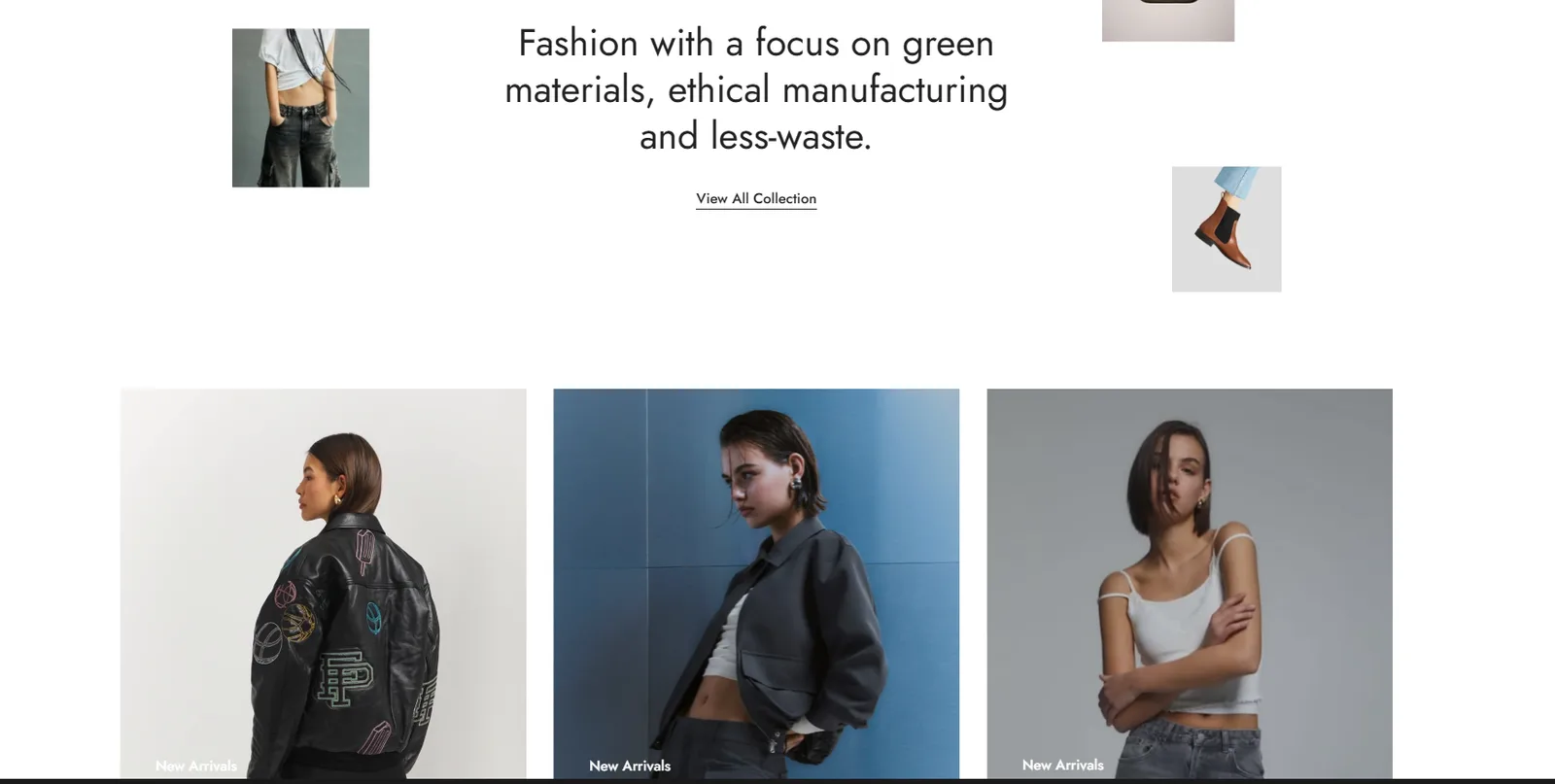
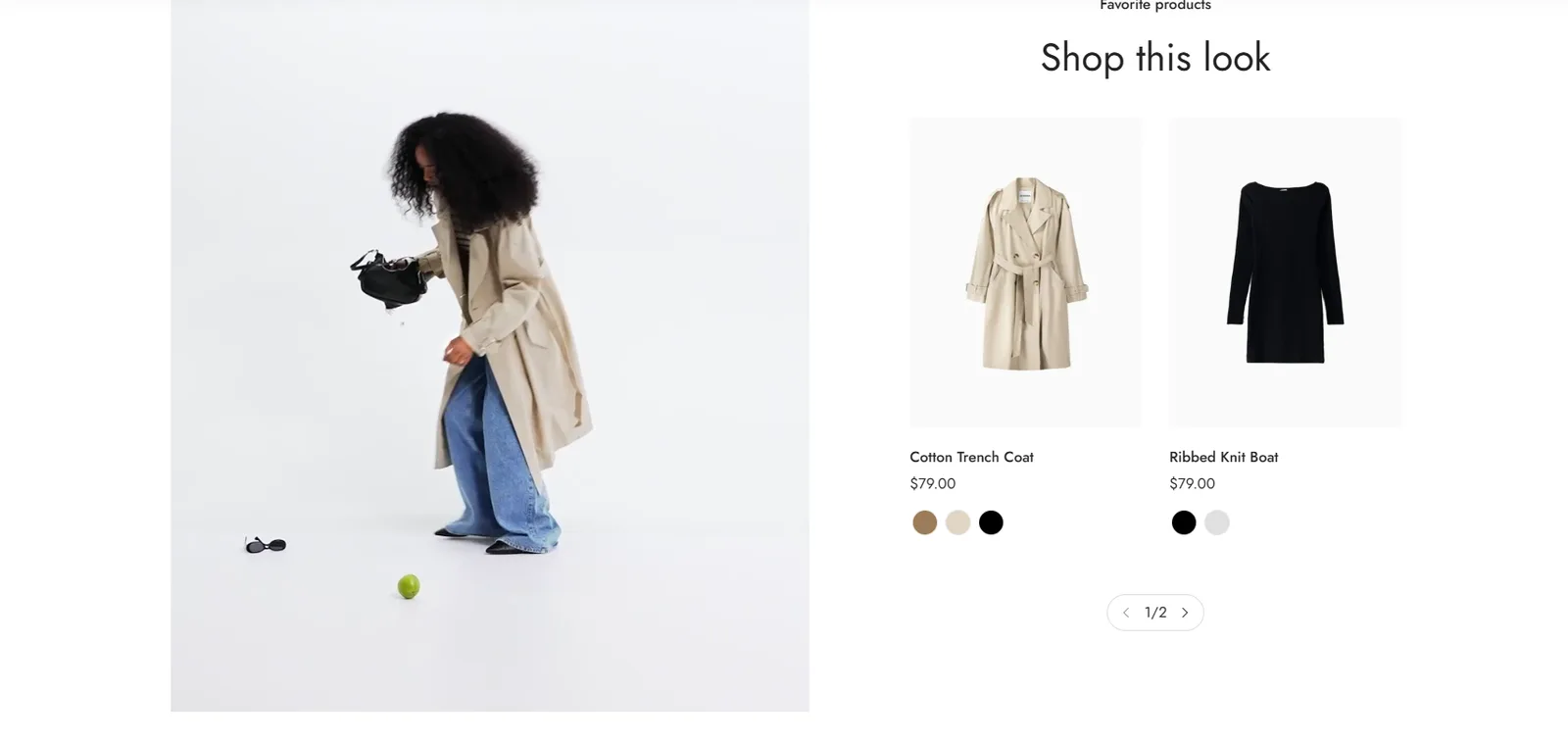
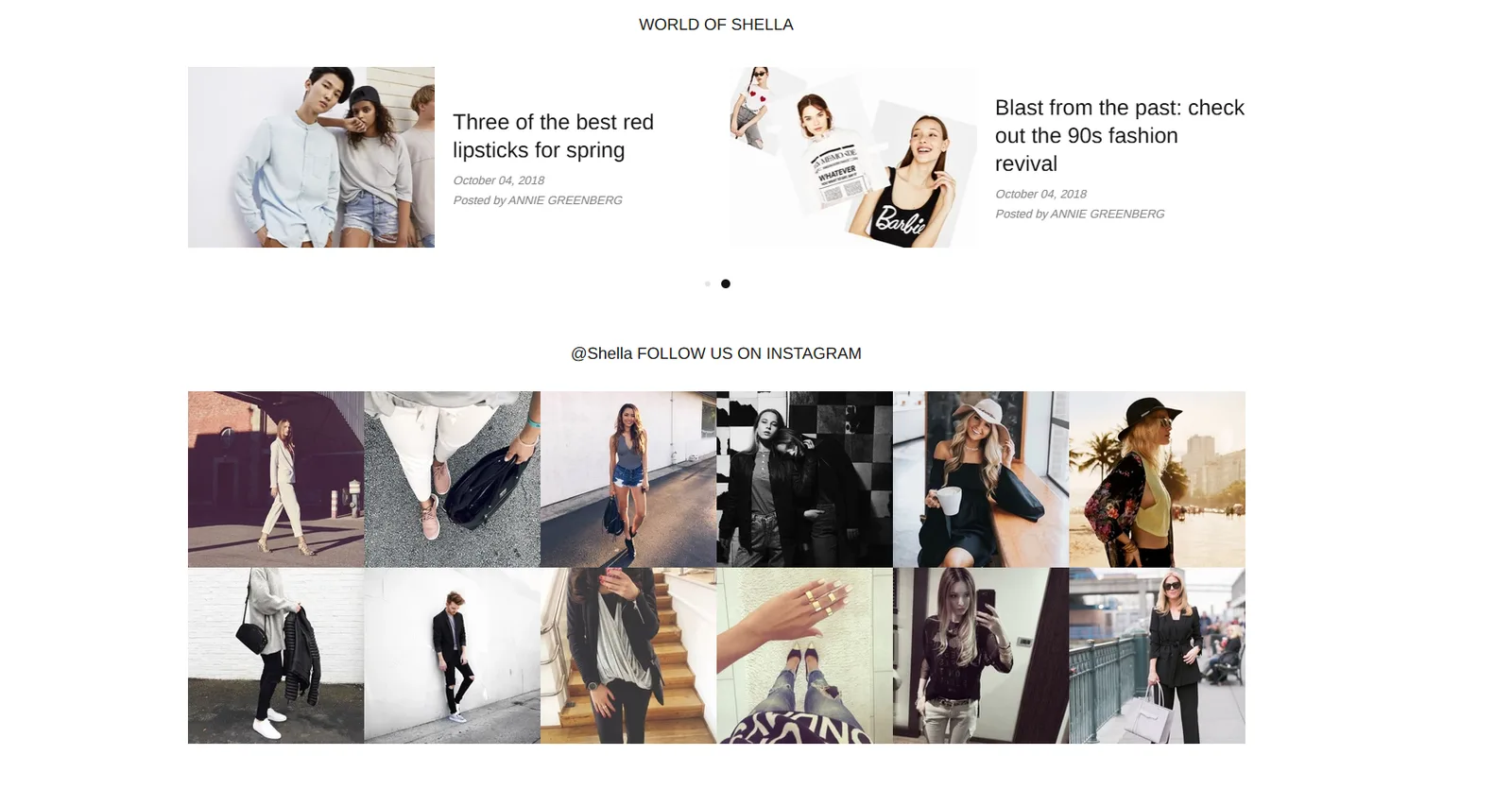
4. Shella
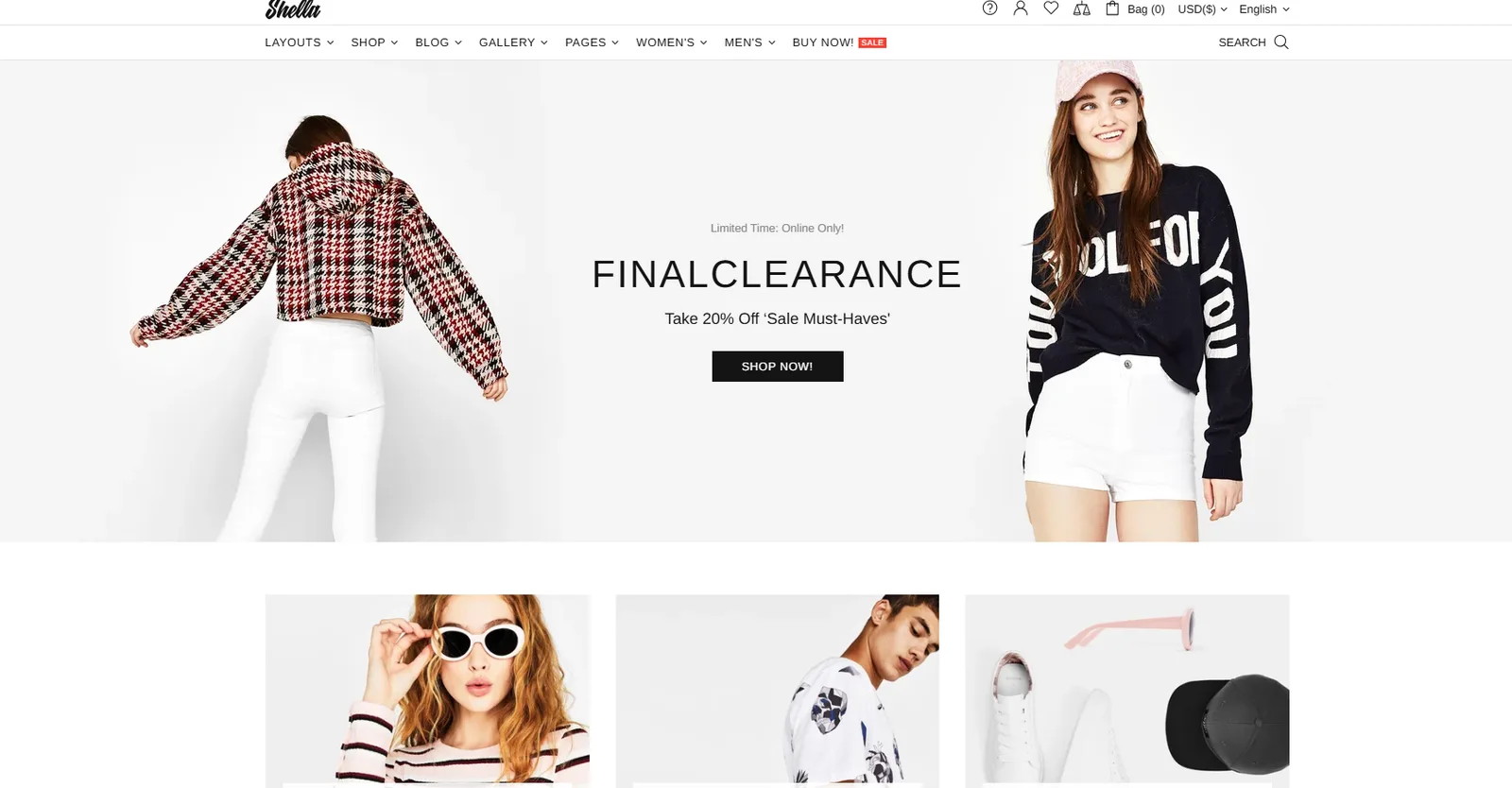
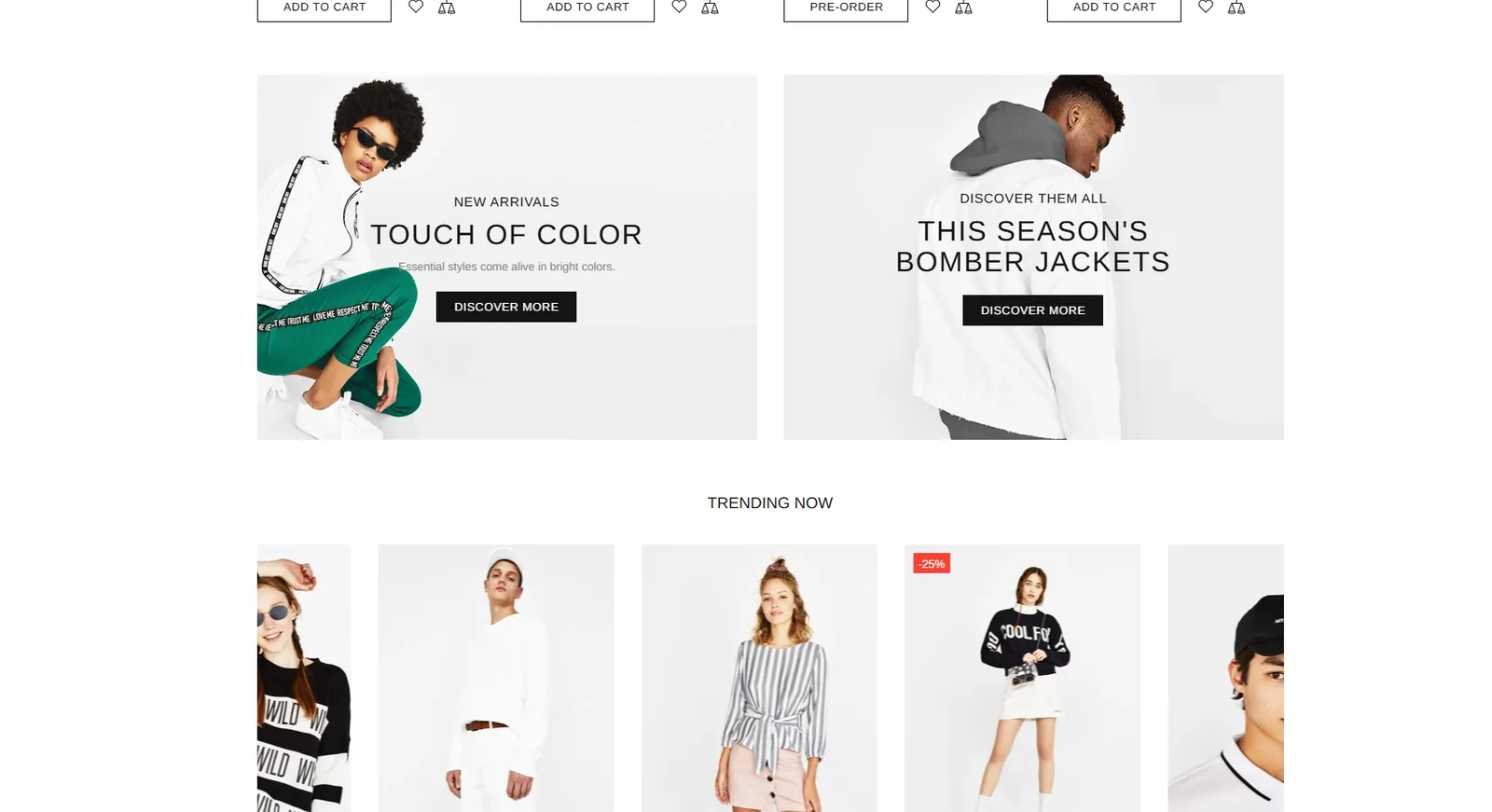
Shella is a fashion-oriented theme that offers a perfect blend of merchandising and responsive design. It also provides customers with additional tools to customize the theme.
Key strengths:
Lookbook full-screen views produce a stronger impression on customers.
The theme offers custom-size chart popups as a size guide.
Infinite scroll makes it easier to browse through the catalog.
The advanced product swatch options help showcase more clothing items.
Quick view and collection filters make the search process more comfortable.
A drag-and-drop builder gives more creative freedom to the user.
You can customize typography, banners, product photography, and other elements.
Large product images are handled efficiently for a strong visual identity.
Best Suited For: Shella suits trend-conscious clothing labels and streetwear brands. It also works well for fashion boutique website and visual-first retailers. It fits stores that rely on lookbooks and editorial product photography.
5. Glozin
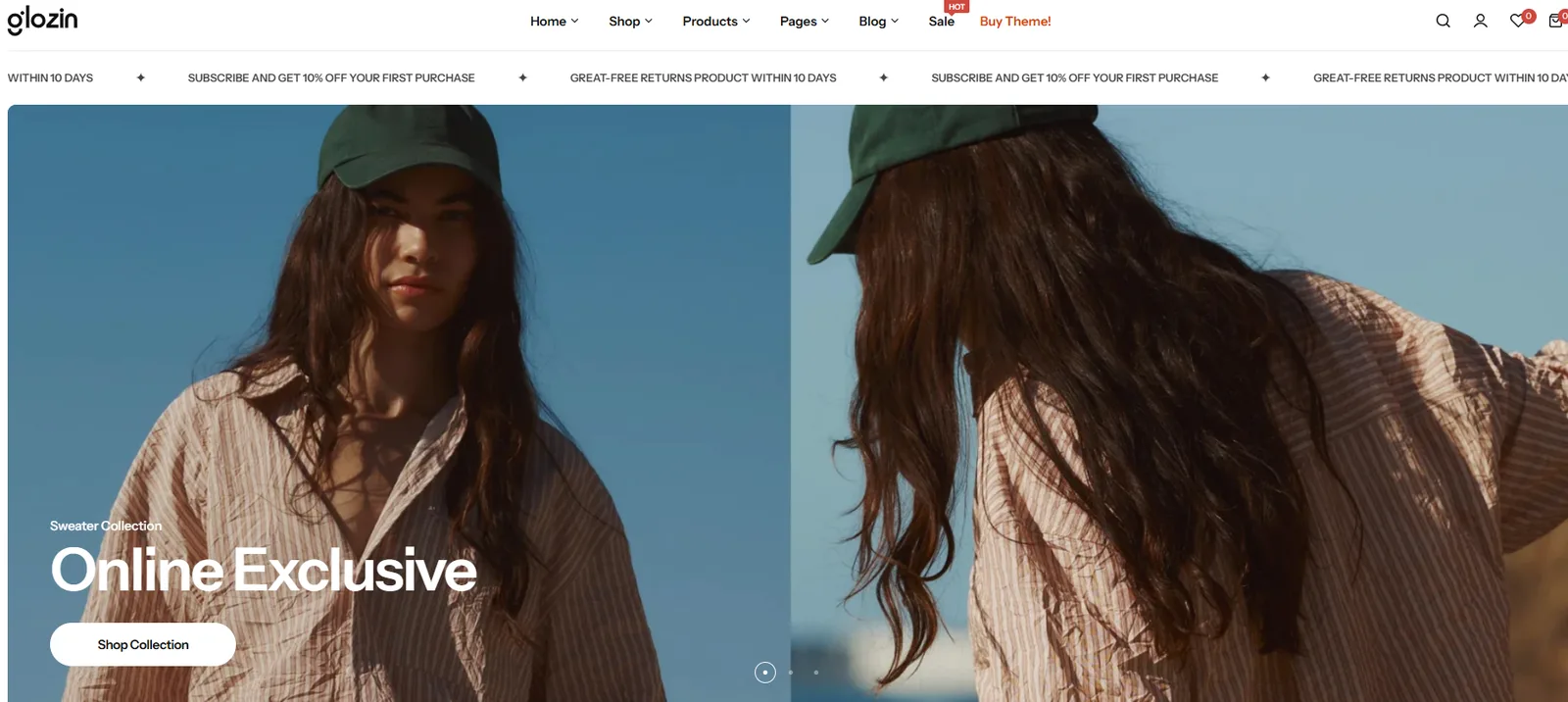
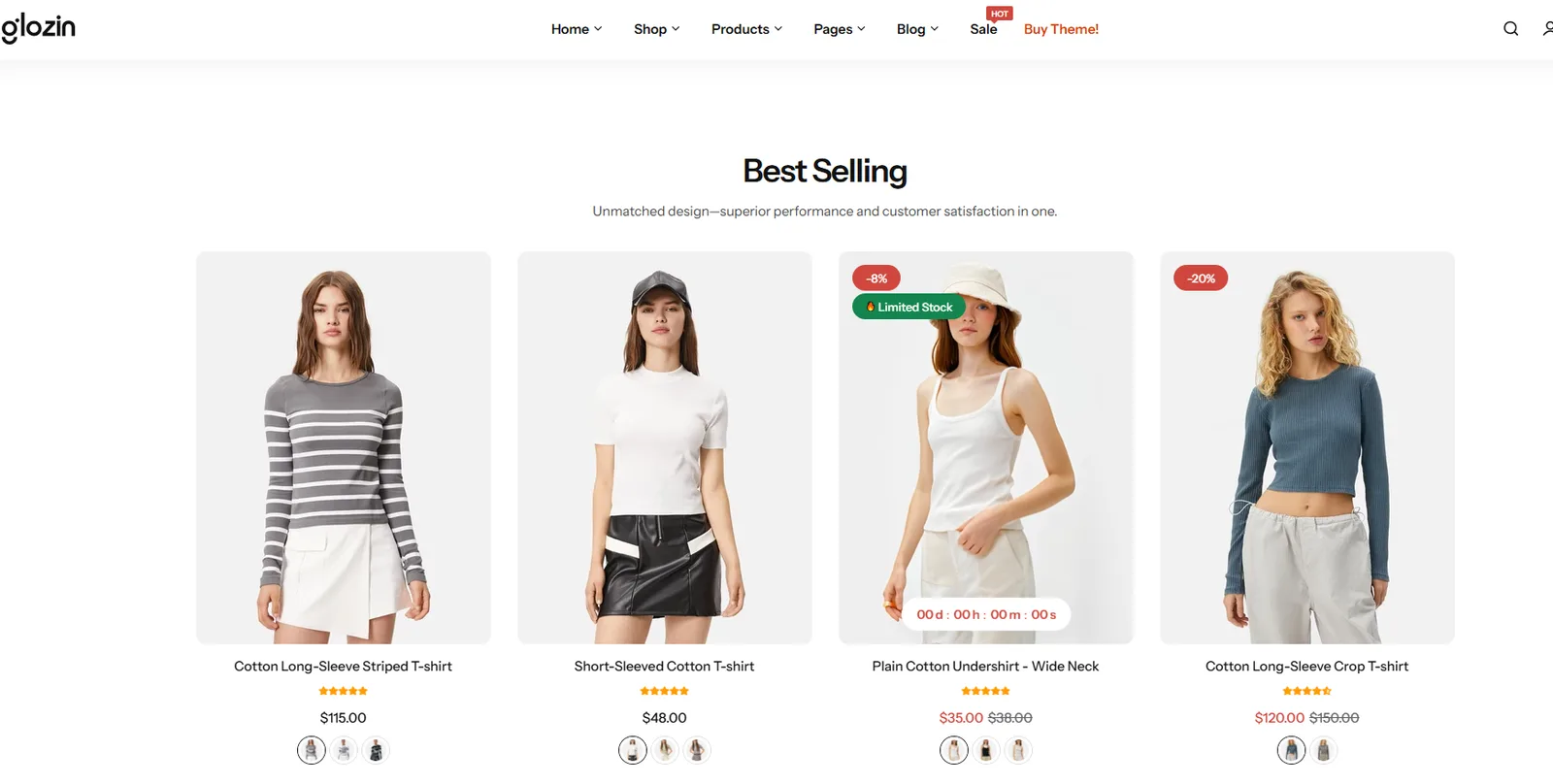
Glozin is a mobile-responsive Shopify theme for fashion retailers that want to create a social feed-like website. It also focuses on visual product discovery.
Key Strengths:
Smooth AJAX page transitions create a more fluid browsing experience.
Visual product search helps shoppers find products quickly.
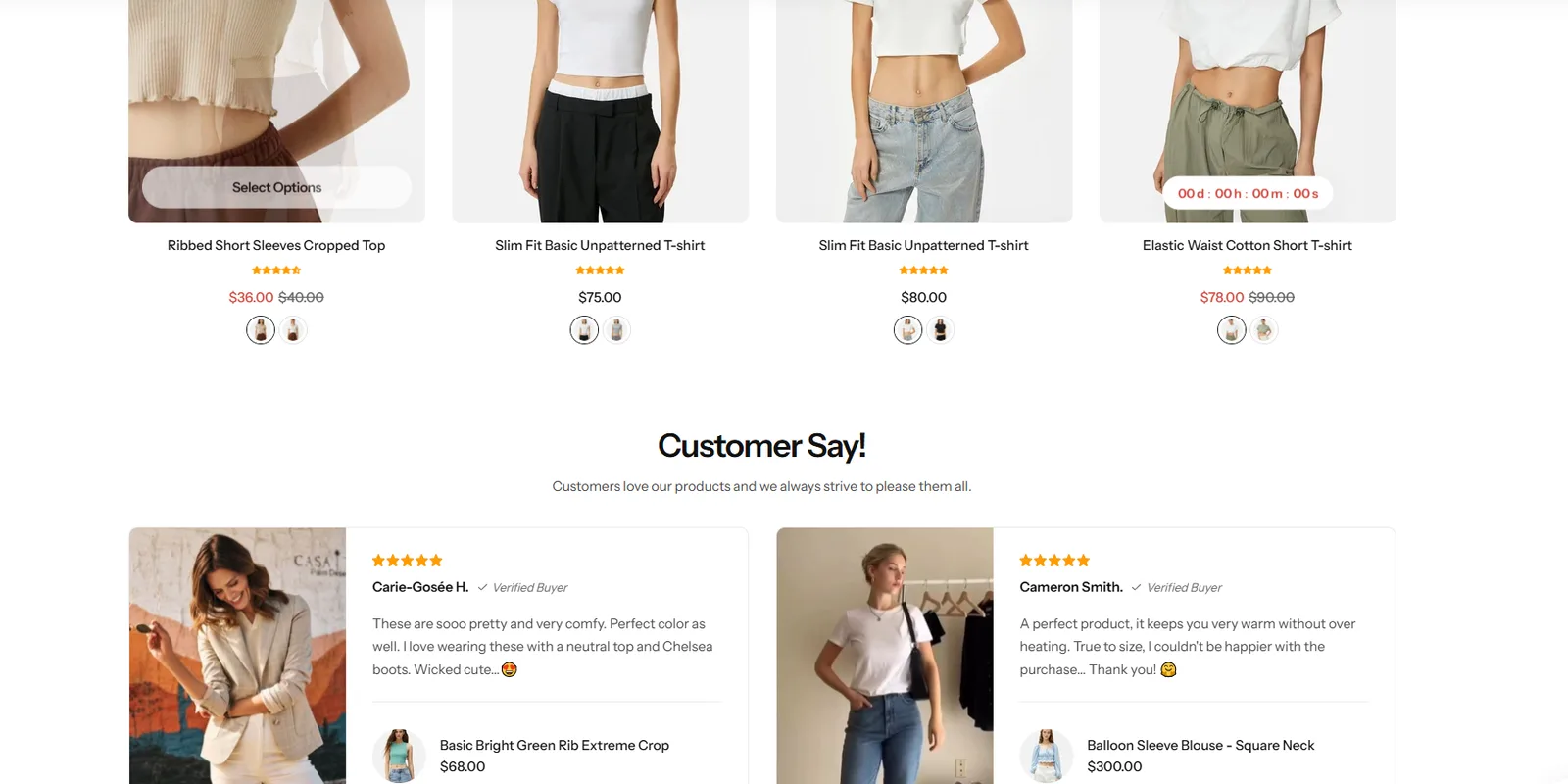
Product swatches, lookbooks, and sales notifications support product discovery.
Social integrations connect the store with social campaigns.
Multiple homepage and product-page templates offer more design choices.
These templates can promote featured collections and new arrivals.
They can also support influencer campaigns.
Its mobile-friendly web design feels similar to modern social media apps.
Best Suited For: Glozin suits youth-oriented clothing brands and social-first retailers. It also works for influencer-led stores. Businesses running social ads can benefit from its design.
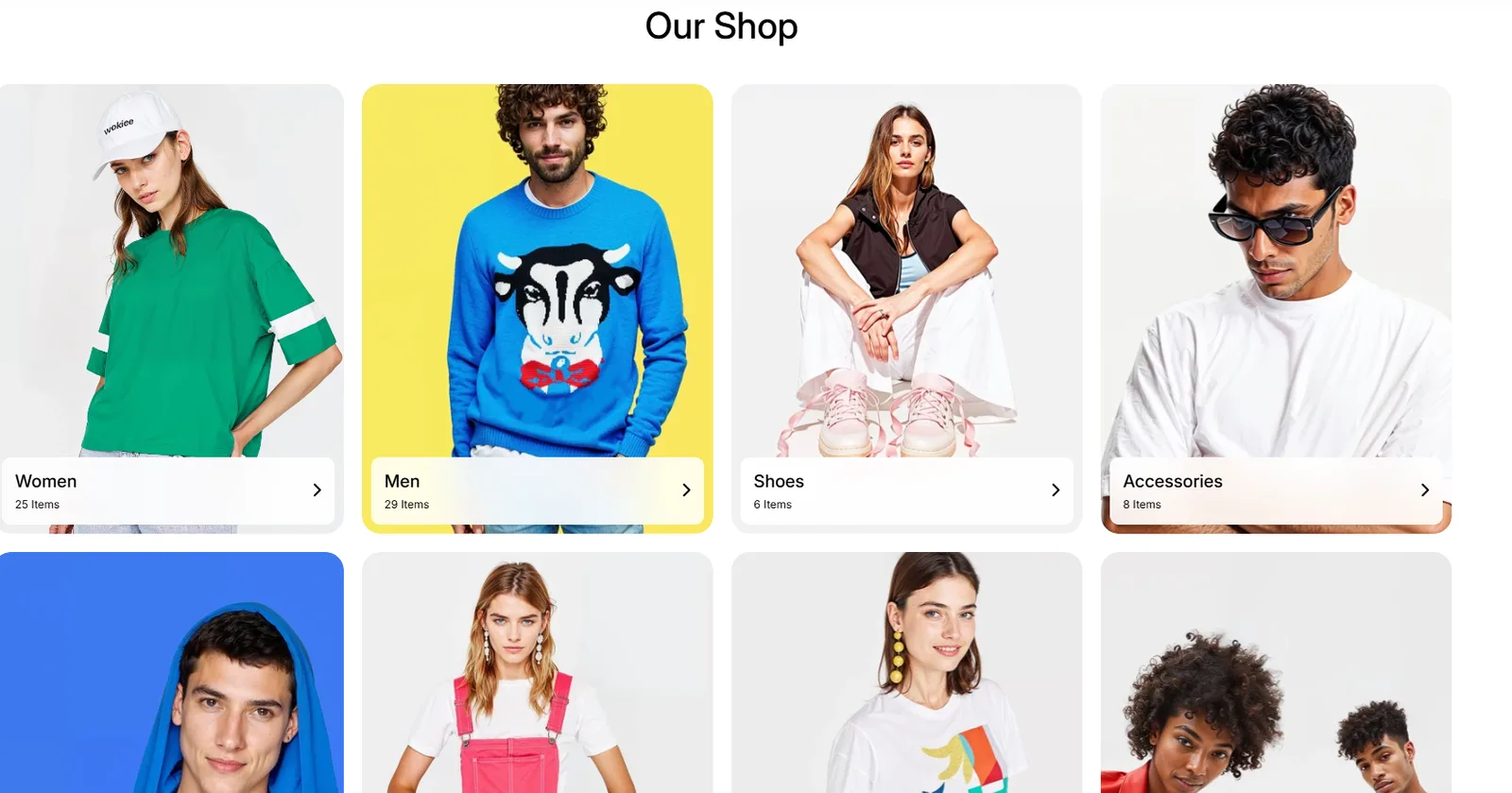
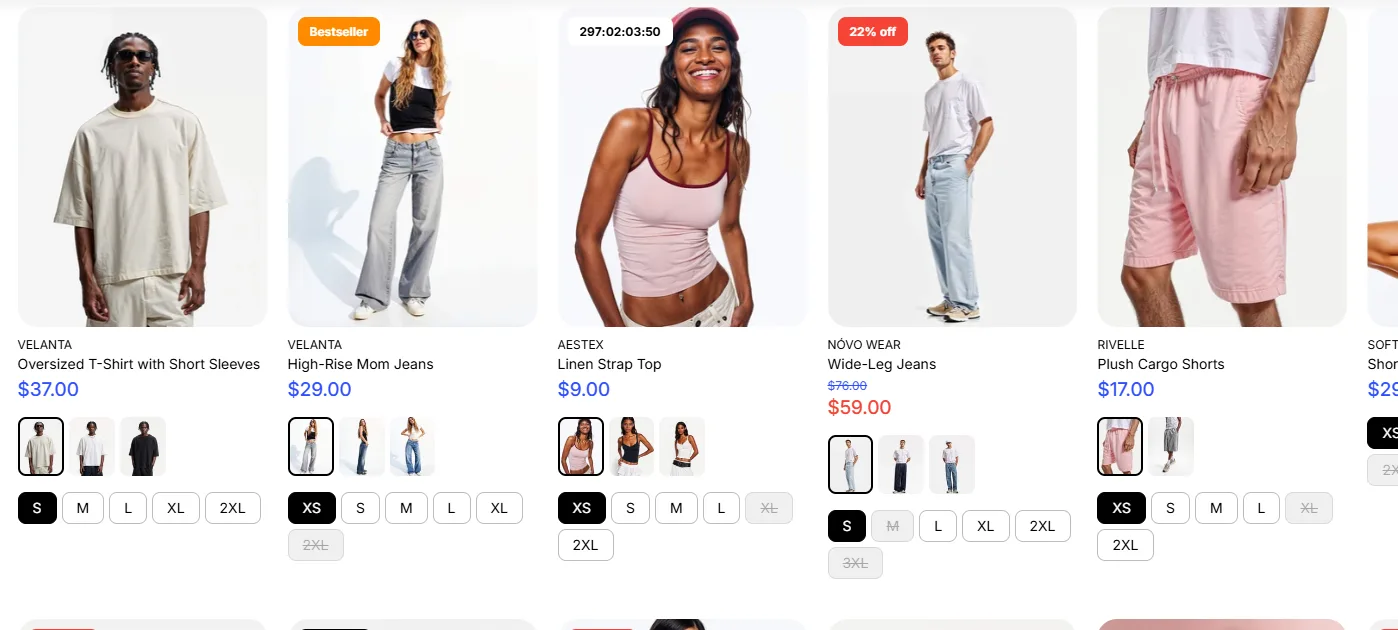
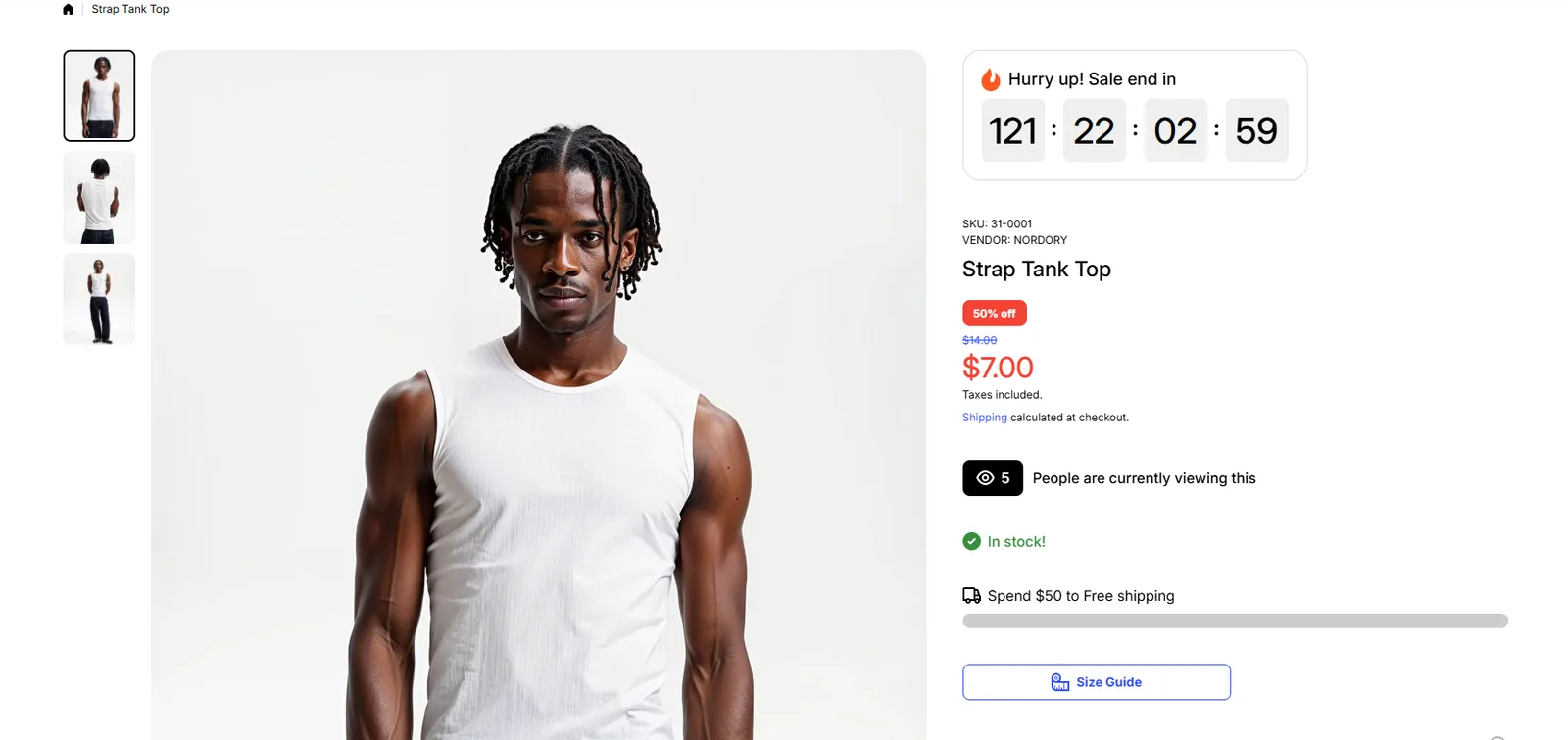
6. Wokiee
Wokiee is a multipurpose design option for fashion retailers. It works well with large catalogs and complex navigation. It also supports many product variations.
Key Strengths:
Numerous homepage layouts give retailers more fashion website design ideas.
Flexible mega menus help organize large product ranges.
Product-page styles support different fashion store layouts.
Advanced swatches and variant-specific images improve product browsing.
Size charts help shoppers review product details.
Sticky add-to-cart buttons keep the buying action visible.
Free-shipping progress bars can support purchase decisions.
Infinite-scroll options help shoppers browse longer collections.
Product filtering supports size, color, price, material, and stock availability.
These tools make product discovery easier across broad apparel collections.
Best Suited For: Wokiee suits medium to large fashion retailers. It also works for multi-brand stores and online clothing businesses. It fits broad ranges across women’s fashion, menswear, shoes, and accessories.
7. Prestige
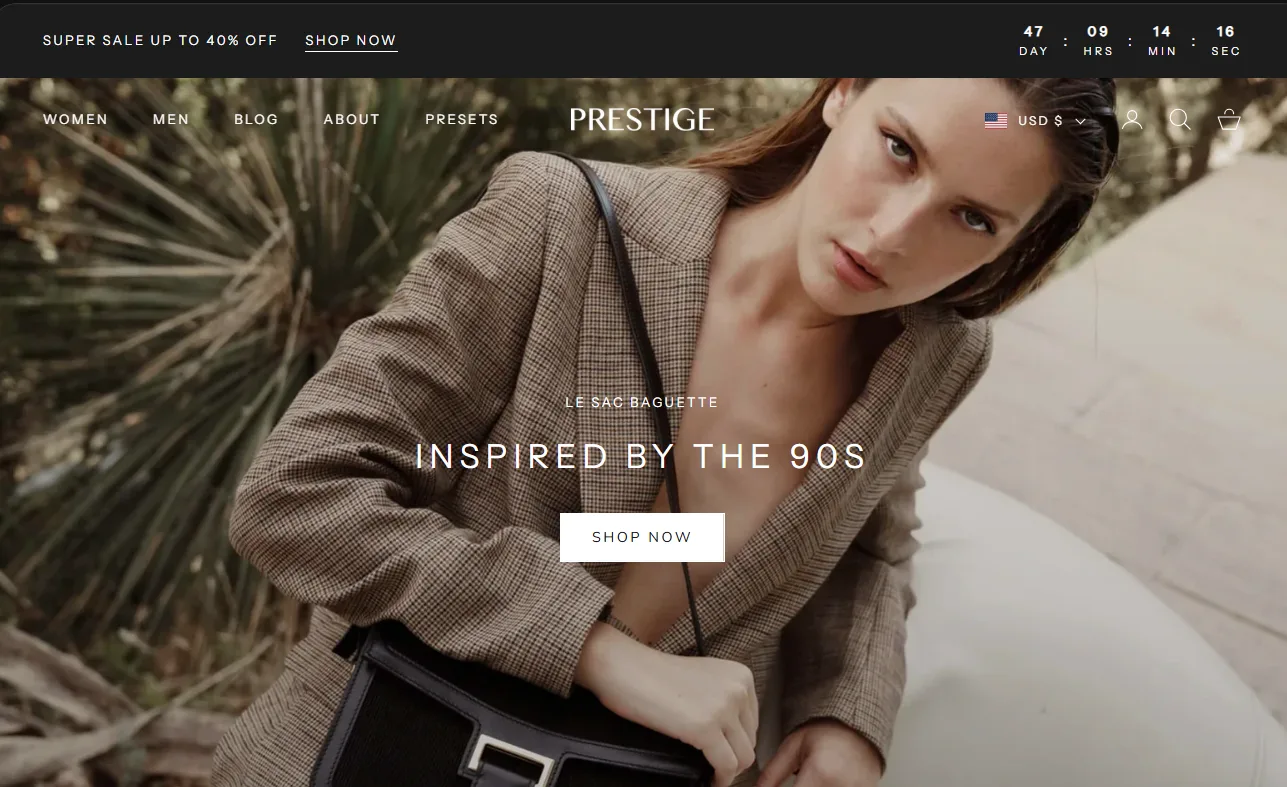
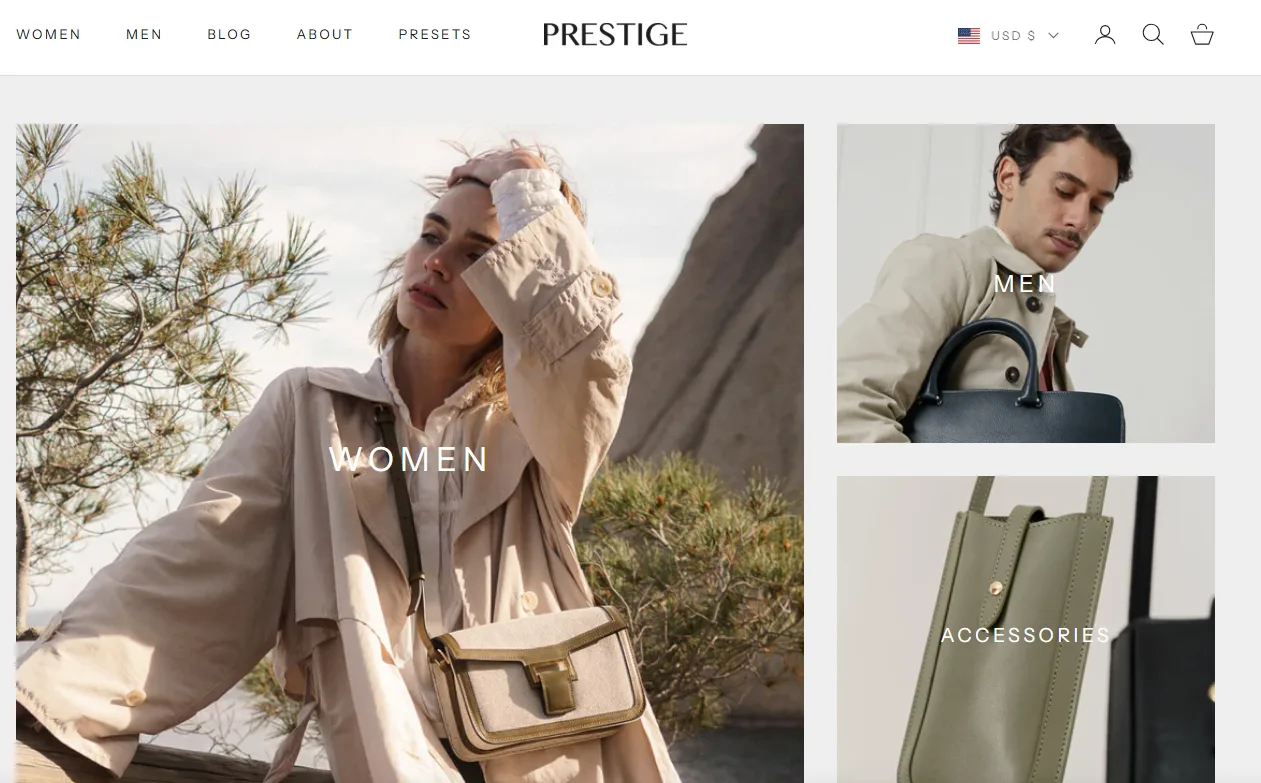
Prestige is a luxury fashion website design example for a designer store. It also suits premium clothing brands, jewelry stores, and high-end beauty retailers.
Key Strengths:
Editorial layouts create a polished fashion presentation.
Elegant typography supports a refined visual style.
White space keeps pages open and easy to view.
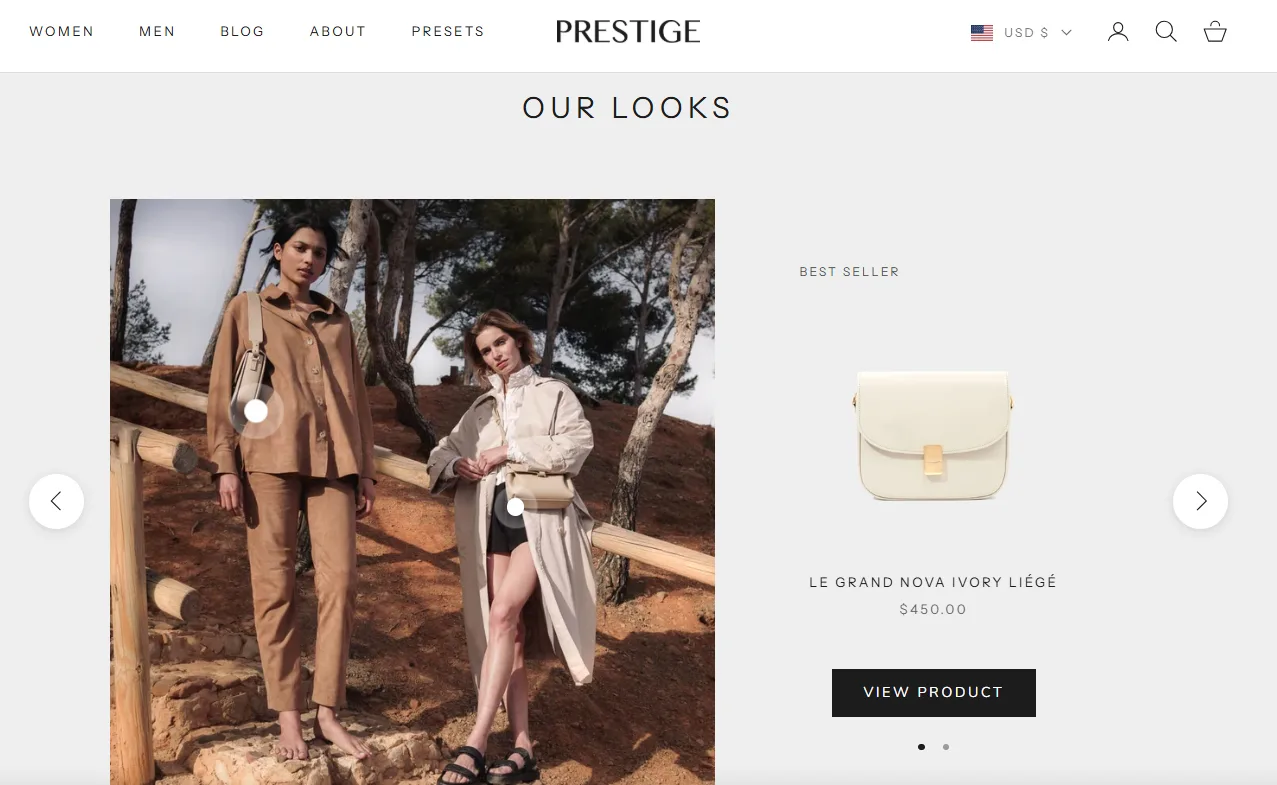
Image hotspots connect fashion imagery with products.
Product video galleries add movement to product presentations.
Lookbooks support visual product storytelling.
Brands can showcase premium product photography and material details.
Brand history and curated collections can also appear on the site.
Its fashion website layout supports a sophisticated shopping experience.
The design avoids feeling overly crowded or sales-focused.
Best Suited For: Prestige suits luxury fashion brands and high-end boutiques. It also works for premium designers and retailers. It fits brands that need an editorial website style.
8. Impulse
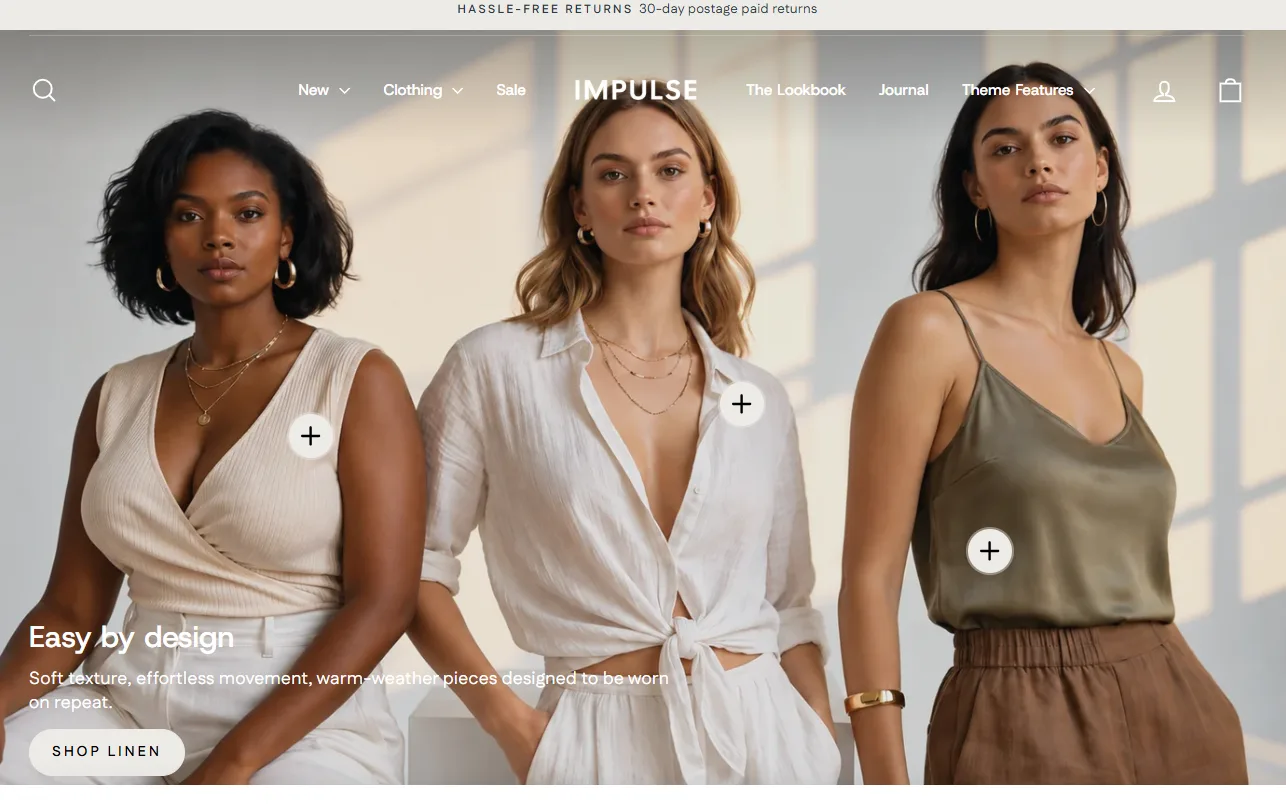
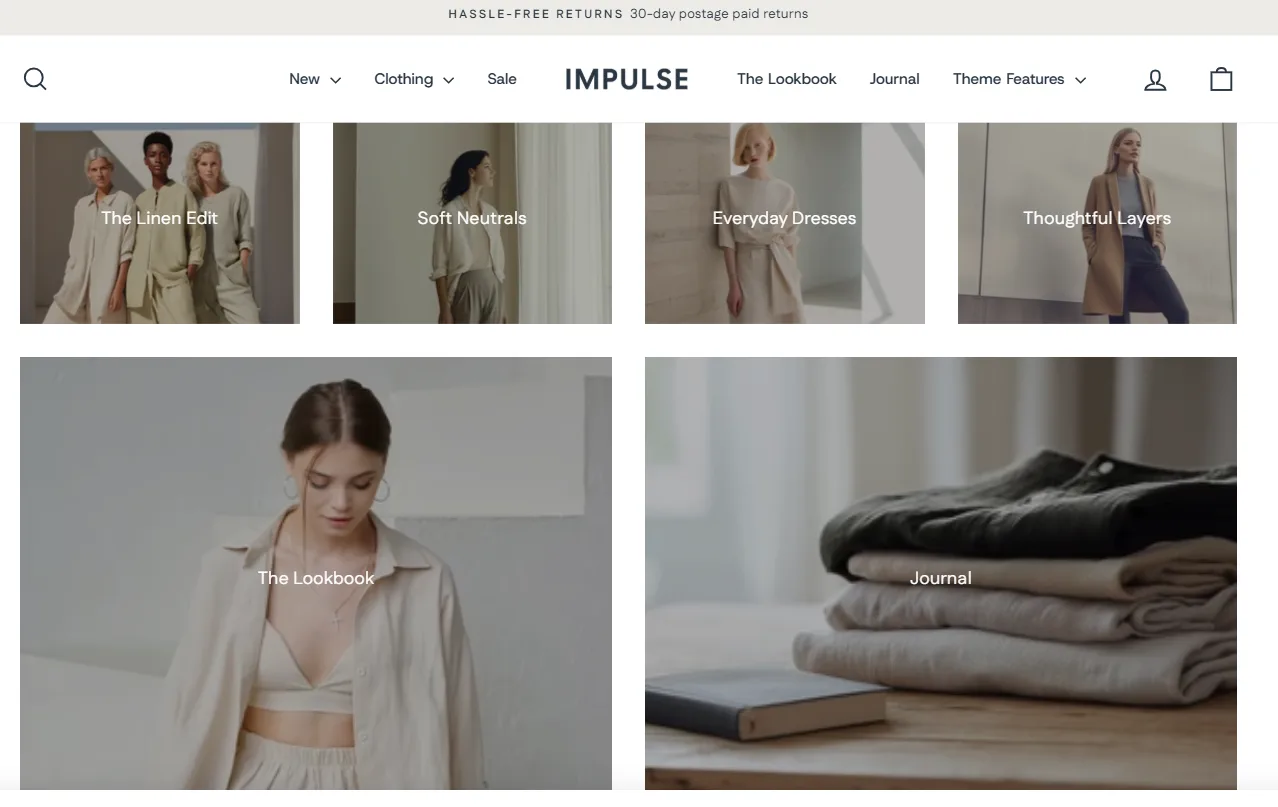
Impulse is a fashion website design example with bold promotional sections. It also provides advanced filtering and product discovery tools.
Key Strengths:
Shoppable hero images connect visuals with products.
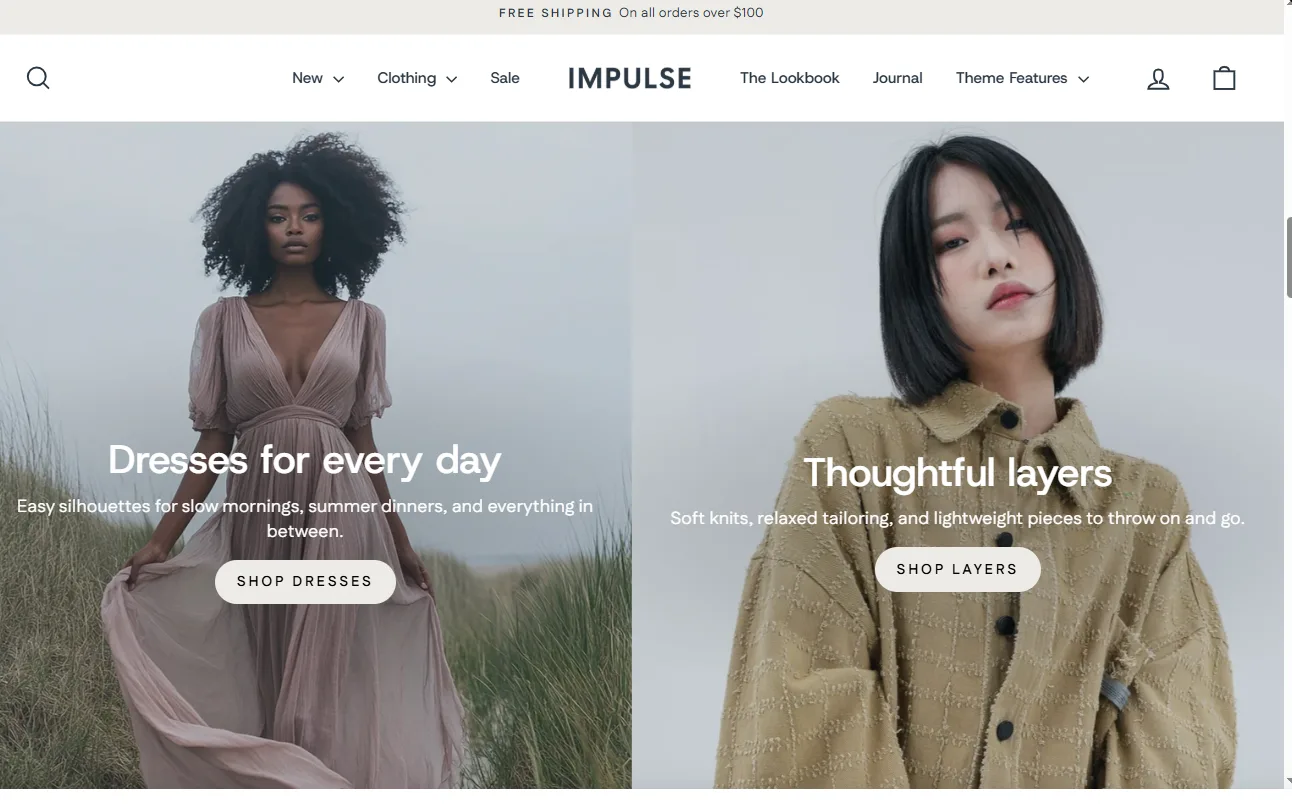
Promotional tiles give brands space for special campaigns.
Sale banners can highlight current offers.
Product videos add another visual shopping option.
Lookbooks help brands present products through curated imagery.
Quick-view options help shoppers review products faster.
Product recommendations can guide shoppers toward related items.
Countdown timers can support promotional campaigns.
Multi-tag filters make large catalogs easier to browse.
Sidebar filters support color, size, style, price, and other attributes.
Its mobile-optimized fashion website UX supports smoother shopping.
Shoppers can move from browsing to cart and checkout with ease.
Best Suited For: Impulse suits fashion brands with medium to large catalogs. It also works for retailers running regular sales campaigns. Clothing businesses can use it for filtering and promotional content.
9. Gecko
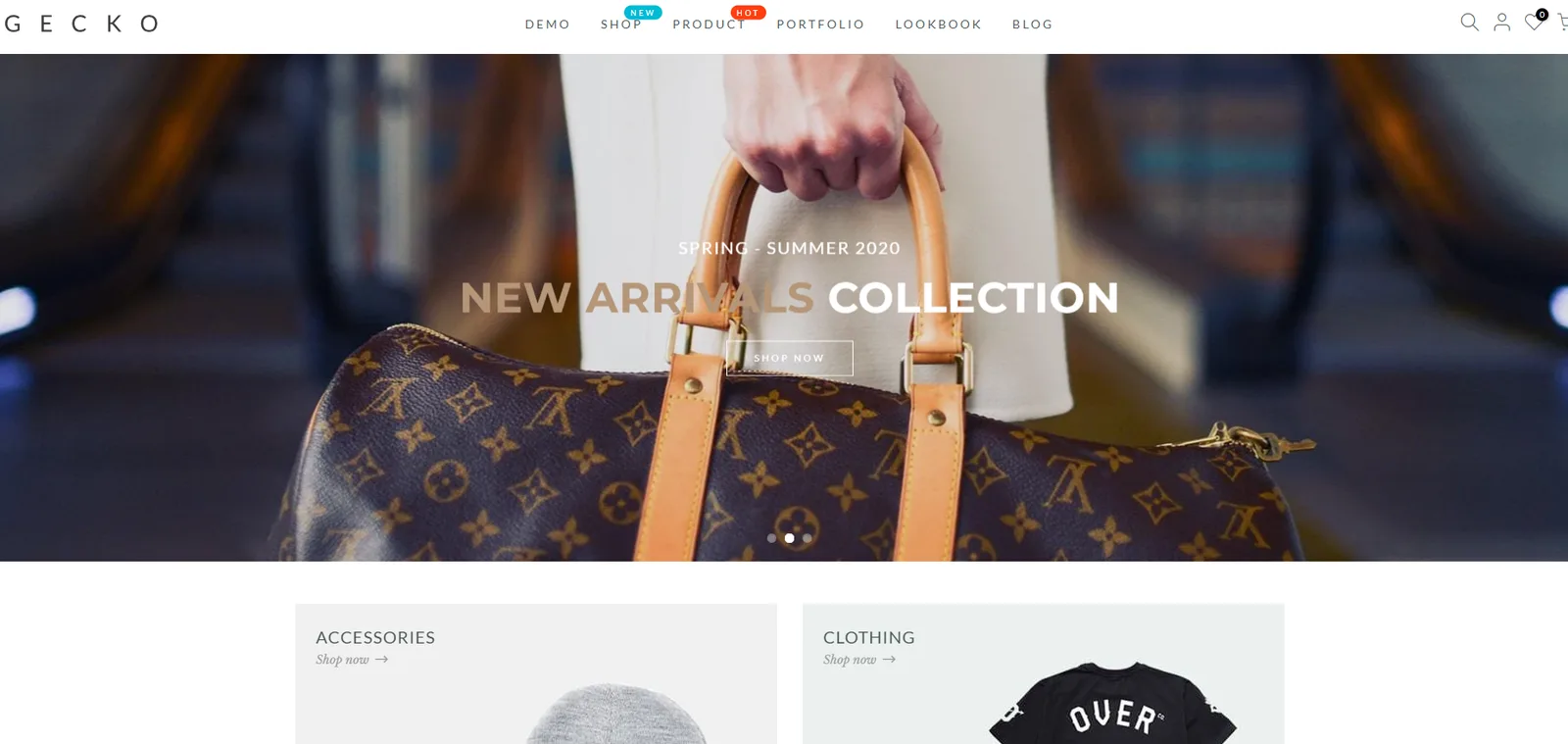
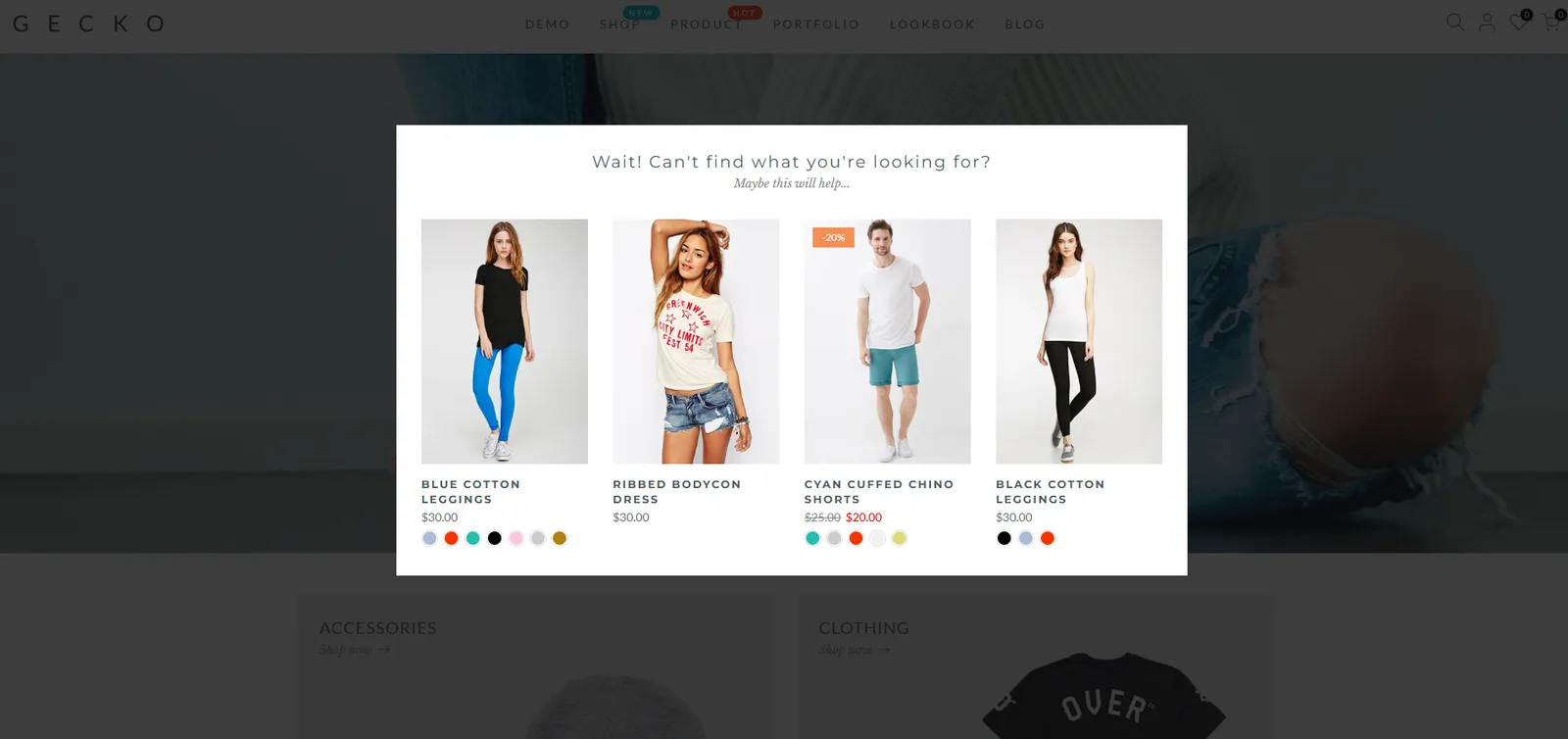
Gecko is a responsive online store design with flexible options. It combines social proof with fashion merchandising features.
Key Strengths:
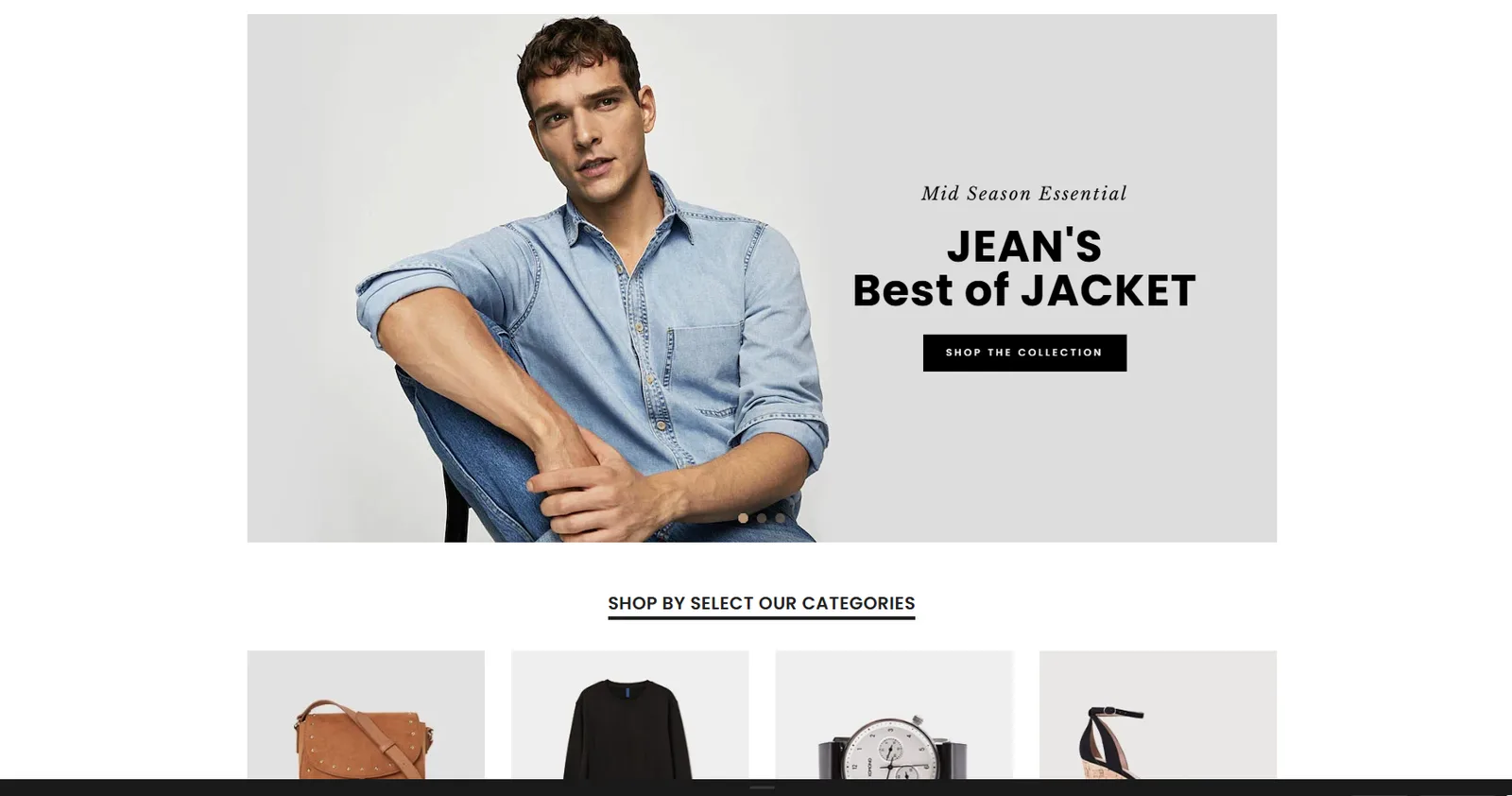
Multiple homepage layouts give brands more design choices.
Product-page layouts support different shopping experiences.
Lookbooks help present products through strong visual content.
Instagram shop integration connects social content with products.
AJAX filters make product discovery easier.
Variant swatches help shoppers explore product options.
3D product views offer another way to view products.
Video galleries and image zoom add more product detail.
Sticky add-to-cart buttons keep buying options visible.
Free-shipping bars can support purchase decisions.
Trust badges can help build shopper confidence.
Stock countdowns can highlight product availability.
These features make product pages more informative for shoppers.
Best Suited For: Gecko suits trend-led fashion brands and apparel retailers. It also works for accessories stores with active social media. Businesses can combine social content with product discovery tools.
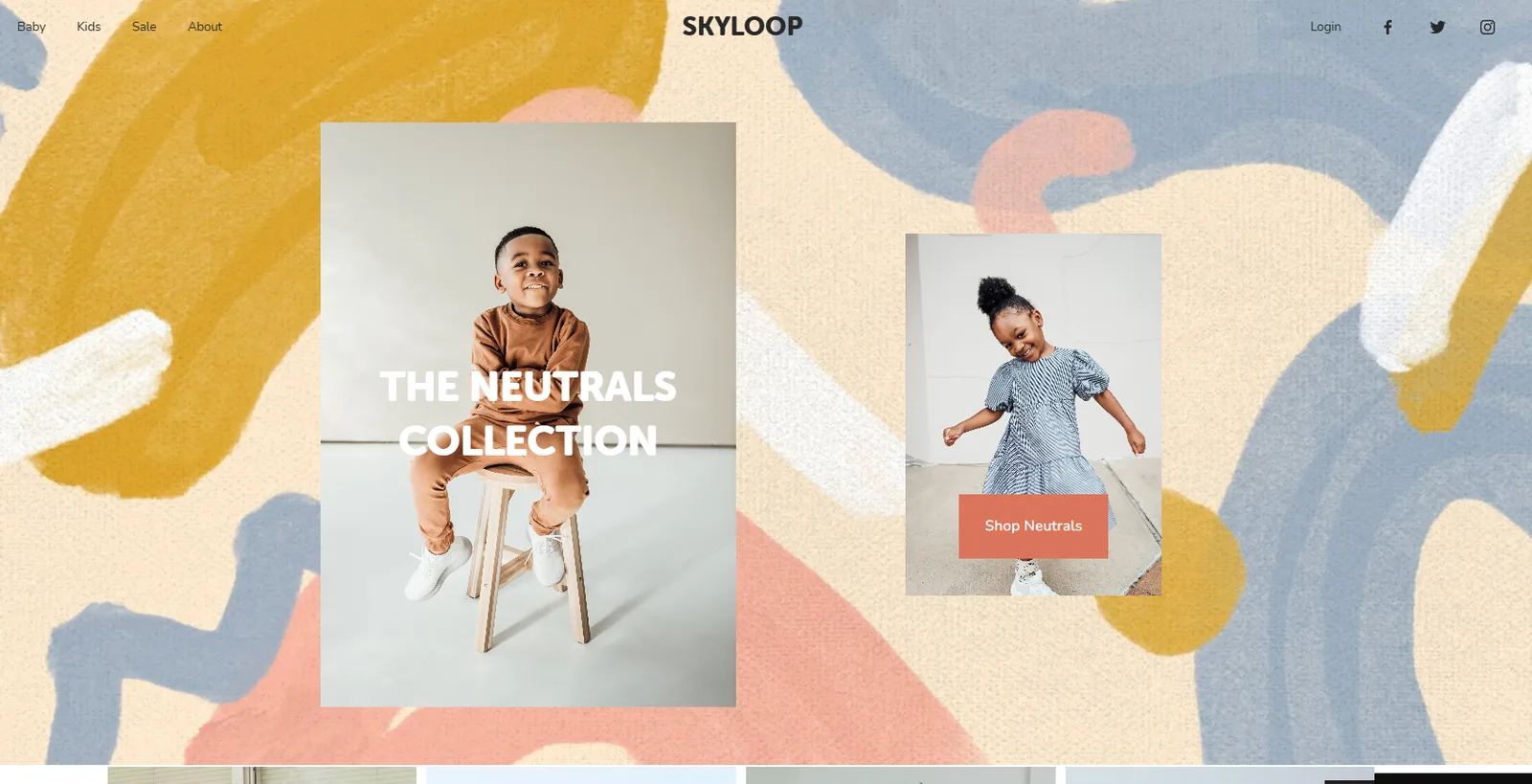
10. Skyloop
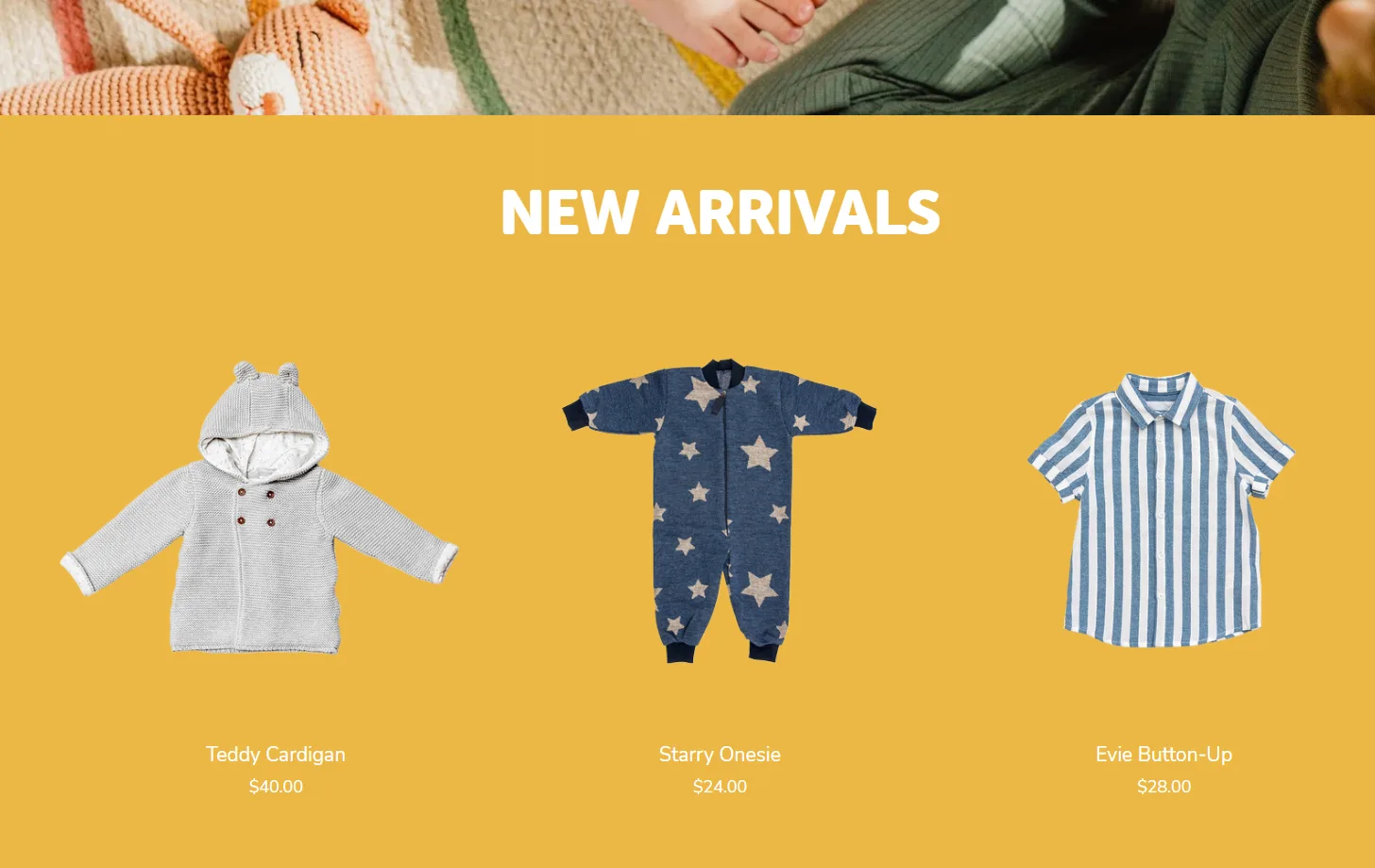
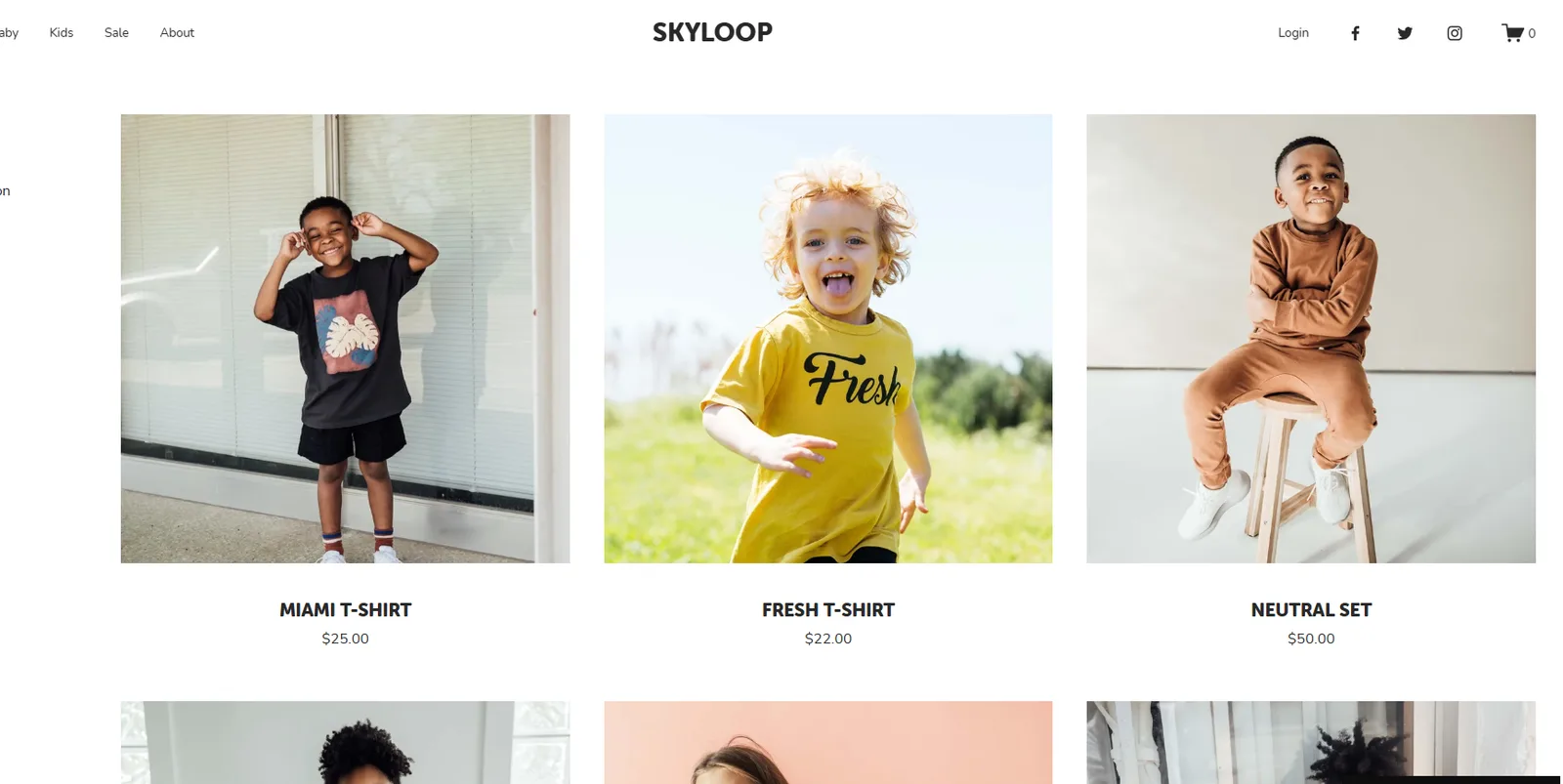
Skyloop is a children’s fashion website design example. It focuses on playful visuals, parent-friendly information, and easy product discovery.
Key Strengths:
Bright color palettes create a playful visual style.
Cheerful typography supports the children’s fashion theme.
Large tap-friendly buttons make browsing easier.
Clear navigation helps shoppers explore kidswear collections.
“Shop by age” categories help parents find suitable products.
Clear size guides support better purchasing decisions.
Age recommendations give parents useful product information.
Fabric-care details help shoppers understand product care.
Shipping and returns information can answer common buying questions.
Featured seasonal collections keep the store current.
New arrivals give shoppers more products to explore.
Product photography adds visual interest to the store.
Story-driven banners can make the website more engaging.
Best Suited For: Skyloop suits children’s clothing brands and kidswear boutiques. It also works for family-focused fashion retailers. Sustainable children’s clothing companies can use this approach as well. Local fashion stores can use it for baby, toddler, or school-age clothing.
Importance of Having a Great Website For Fashion Brands
Social media platforms only rent your audience's attention. With a dedicated clothing ecommerce site, you own the customer relationship. A well-developed online fashion store benefits your business in four core ways:
Builds First Impressions
The layout of a fashion website will present the brand identity right away on the page. Your hero banner, typography, and color schemes will be seen by the user. Users are immediately convinced whether your clothing is top-notch, fashionable, or affordable.
Tells the Story
It is important to tell your brand story visually. This is the only way to connect with your customers on a meaningful level and generate sales and loyalty. A single picture of a product will not do the trick.
It Drives Sales 24/7
High-end product pages banners, and call-to-action buttons work for you even when you sleep. The fashion website’s product catalog and checkout process can operate 24/7.
Attracts Search Engine Traffic
A high-performance online store has optimized coding, operates smoothly, and adheres to fashion website layout best practices. The website design and SEO-friendly content creation go hand in hand to serve the same purpose – drive quality traffic to your online fashion store.
Top Fashion Website Features Shoppers Expect but Never Ask For
Great fashion website UX should feel easy, logical, and clear. The following eight features have a direct effect on the overall user experience. Shoppers may not ask for these technical details. However, missing features can quickly cause frustration and abandoned carts.
1. Ultra-Fast Page Speed & Performance
High-resolution fashion images can slow down a website when left unoptimized. Strong image optimization helps prevent this issue. WebP compression and lazy loading can also preserve fast page speed on desktop and mobile screens. Good performance helps shoppers and supports Google’s Core Web Vitals standards.
2. Clear Sizing Guides & Fit Predictors
Sizing uncertainty remains a major cause of online cart abandonment and product returns. Detailed size charts can reduce that uncertainty. Fabric stretch notes can give shoppers more useful context. Model height and measurement details can help them judge the fit. Place this information directly on the fashion product page before checkout. Shoppers should not need to leave the product page to find basic sizing information.
3. Transparent Shipping & Return Policies
Unexpected delivery fees can damage customer trust. Confusing return terms can have the same effect. Show shipping timelines and free-delivery threshold badges clearly. Place easy-to-understand shipping and returns terms on product pages and inside the cart drawer.
4. Smart Search & Intuitive Filters
Easy product discovery helps shoppers find their preferred styles quickly. Add intelligent search bars that can handle common typing mistakes. Pair them with multi-select filters for size, color, style, price, and fit type.
5. Customer Reviews with User Photo Uploads
Authentic customer reviews offer social proof that polished brand images cannot provide alone. Let customers upload real photos of themselves wearing the products. Seeing how a garment fits different body types can build credibility and shopper confidence.
6. Curated Product Recommendations
One of the easiest ways to boost the average order value is by offering related products. These tips should be appropriate to the item the potential buyer is currently checking out.
Display them on product pages or in the cart drawer. “Complete the Look” modules have a way of prompting the customer to purchase an accessory, footwear, or outerwear that would match the garment they have.
7. Frictionless Cart & One-Click Checkout
Ensure the shopping cart is easily accessible from any part of the site. It should also be easy to edit for shoppers. Guest checkout, saved address autofill, and popular digital wallets make checkout easy and fast. These include Shop Pay, Apple Pay, and Google Pay.
8. Built-In Website Accessibility Standard
Good website accessibility makes your store accessible to all users. This includes people who use screen readers or keyboard controls. Use good color contrast and clear font scaling. Include alt text for all website images.
Which Platform Fits Your Fashion Brand?
The right technology foundation depends on your catalog size, technical skills, and long-term business goals.
Shopify
Shopify is a strong choice for fast launches and easy scaling, and it offers seamless app integrations. Most theme examples in this guide are Shopify themes, which makes Shopify a good fit for direct-to-consumer apparel brands.
WooCommerce on WordPress
This option gives you greater control over source code, design, and content publishing. WooCommerce on WordPress works well for apparel brands with active editorial blogs. It also suits custom lookbooks and bespoke storytelling platforms.
Custom Web Design & Build
A custom engineering approach suits established luxury brands and international retailers. It also works for unique catalog models that need specialized integrations. Custom 3D web features and complex API connections may require this approach too.
How We Design and Develop a Fashion Website for You
A visually impressive online store only works when your audience can find it. That is why our custom web design team builds search engine optimization into the site architecture from day one.
Clean code structures and logical collection hierarchies help search engines understand your store. Clean URL paths make crawling and indexing easier. Descriptive image alt text, structured schema data, and fast loading speeds support both search engines and visitors.
We organize category layouts around high-intent search terms that real customers use. Examples include “women’s wool coats” and “sustainable denim jackets.” For local fashion stores and regional boutiques, we add geographic schema and consistent NAP data. We also connect the site with a fully synced Google Business Profile.
This integrated strategy shapes our complete fashion web design and development approach. Creative design, technical engineering, and search visibility all move forward together.